

Easy Steps for Great Color!
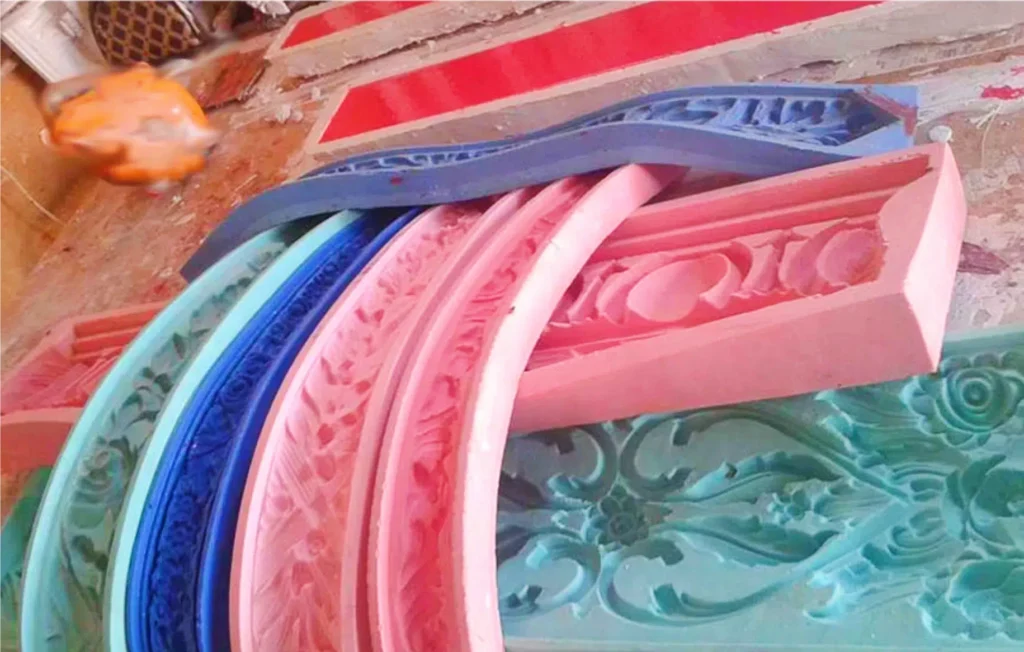
Do you have moldes de silicona? Do you want to make them bright y pretty? This guide will show you how to paint silicone molds. It is like a silicone mold painting tutorial. We want your molds to have vibrant, detailed designs.
Sometimes, paint does not stick to silicona. It can peel off. That is sad! But do not worry. We have paint adhesion solutions. We will help you make the paint stay on. This guide uses simple English. It is easy to understand. Let’s learn how to make your molds look amazing!
What You Need: Fun Stuff for Painting!
Before we start, let’s get our tools y paint. Having the right stuff makes painting easy and fun.
Paints You Can Use:
- Silicone-based paints: These are made just for silicone! Psycho Paint is a popular one 1. It sticks very well. You can get it from Smooth-On® Silicones.
- Acrylic paint for silicone molds: Yes, you can use acrylic paints como Golden Artist Acrylics o Liquitex® 1. But, you might need special steps. Plaid FX Paints y Createx Colors® are also options. Maybe even DecoArt® Americana. We will talk more about this.
- Special mold paints: Some paints are made just for molds, like Perma-Type® Mold Paint.
- Spray Paint: Krylon® Spray Paint o Rust-Oleum® FlexiDip might work with good prep 2. Always test first!
- Non-toxic paint for food-grade molds: If your mold is for food, use food-safe paint brands. Make sure it says “food safe” on the label. Check FDA Food-Safe Compliance (CFR 21) rules.
Things to Help Paint Stick (Primers and Cleaners):
- Primer: This is like a sticky base coat. It helps paint grab onto the silicone. Look for the best primers for silicone surfaces. Some people use spray can automotive primer 2. Badger Stynylrez Primer is known in hobby circles. Always use silicone-friendly primers 3.
- Cleaners: You need to clean the mold first! Use hot water and soap 4 2. Denatured alcohol also helps clean and make the surface a bit rough so paint sticks better 4. Esto forma parte de degreasing silicone surfaces.
Stuff to Thin Paint (Solvents):
- If using paints like Psycho Paint with an airbrush, you need to make it thinner. Use special silicone solvents como NOVOCS Gloss o NOVOCS Matte 5. This helps with thinning paints for smooth application.
Things to Protect the Paint (Sealants):
- Sealant: After painting, a clear top coat protects the color. Flex Seal® Spray can work 1. Utilice flex sealant for painted molds. Look for silicone mold sealants o sealant sprays for longevity. For molds used outside, find UV-resistant paints for outdoor molds o heat-resistant sealers. Weatherproofing painted molds is important. Think about matte vs glossy finishes. Eco-friendly sealers are good too. Maybe even wax-based sealants.
Tools for Painting:
- Brushes: Simple brushes work 5. Silicone brushes (Sculpting Tools) are neat too.
- Airbrush: An airbrush gives a very smooth look. Iwata Airbrush Kits are good quality. We will compare brush vs. airbrush painting. You might need a spray booth setup. Remember respirator safety guidelines when spraying!
- Other Tools: Paint pen detailing tips can add tiny details. Stencils para stenciling on silicone surfaces.
Other Handy Things:
- Agente desmoldeante: Sometimes used before making the mold (mold release agent application), but usually you clean it off before painting. MOLD RELEASE™ (Mann Release Technologies) is one brand.
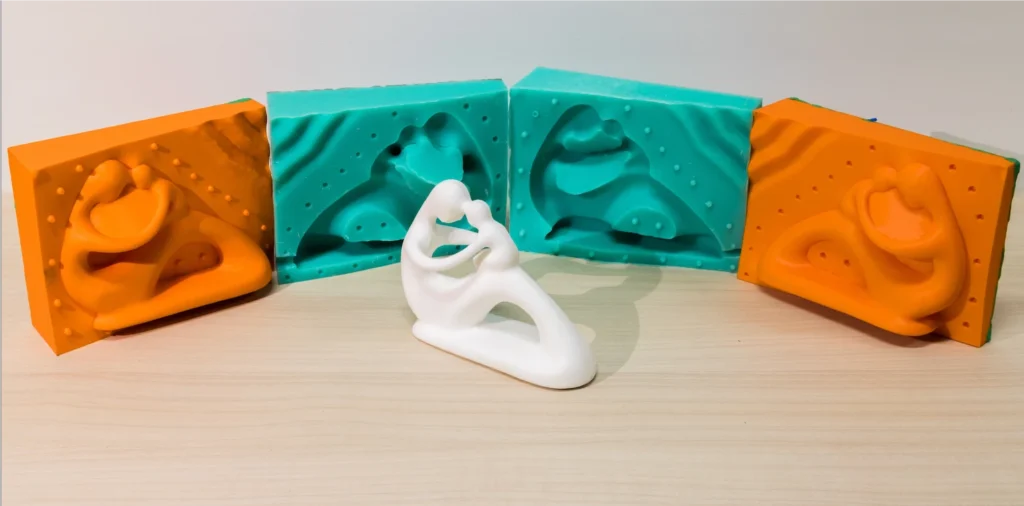
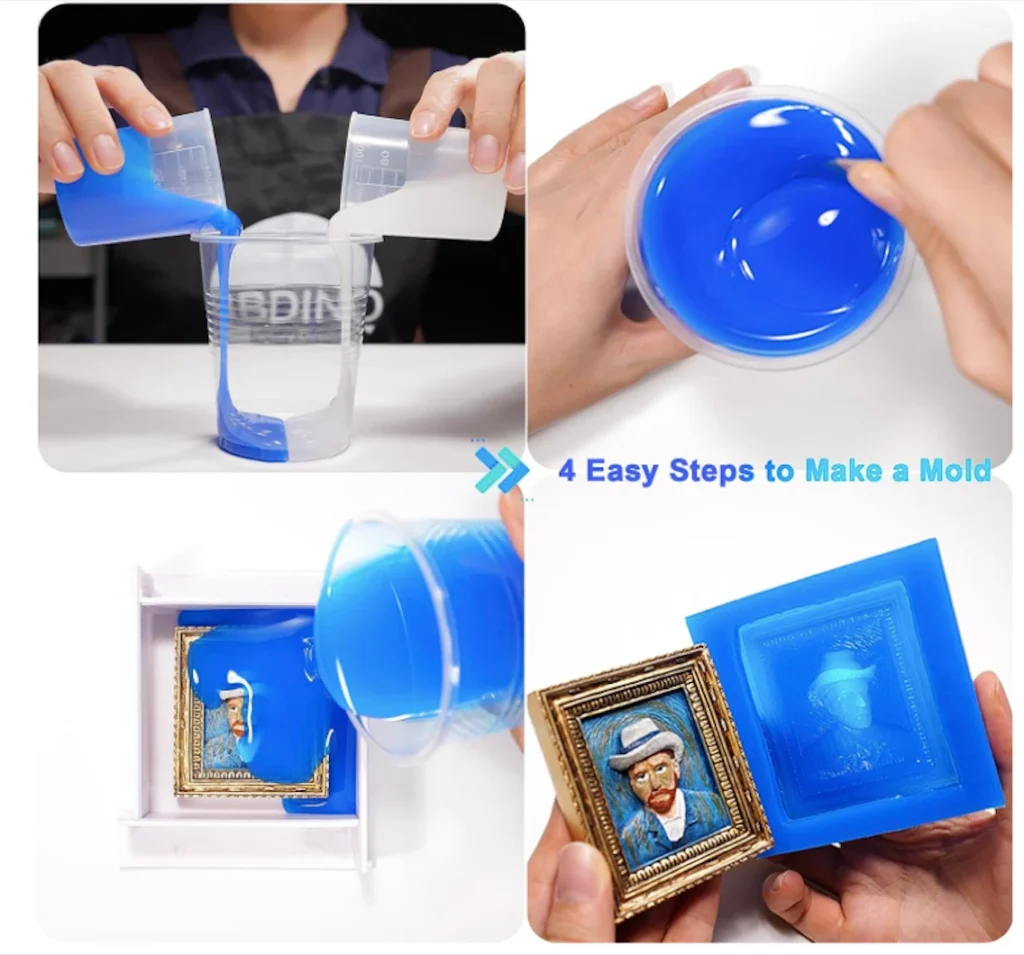
- Silicona: Like Alumilite® Supreme Silicone or maybe ELASTOSIL® M 4503 for making the mold itself 6. Good silicone for home crafts & hobbies mold making is key.
- Adhesives: Sil-Poxy® Adhesive might help fix a mold or attach painted parts. Silicone caulk can sometimes act as an adhesive too.
Okay! Got your stuff? Let’s get ready to paint!
Step 1: Get Your Mold Ready! (Preparation is Key!)
You cannot just slap paint on the mold. You need to get it ready first. This is super important! Proper surface preparation helps the paint stick and not peel off 4.
- Clean Your Mold: Wash the molde de silicona really well. Use hot water and soap 4 2. Get all the dirt, oil, and old release agent off. This is cleaning silicone molds before painting.
- Dry Your Mold: Make sure the mold is 100% dry. Water will stop the paint from sticking.
- Make it Grippy (Optional but helpful!): Sometimes, silicone is too smooth. You can very gently sand it with fine sandpaper (sanding silicone molds for texture). Or wipe it with denatured alcohol 4. This is like surface etching for adhesion. It gives the paint something to hold onto.
- Apply Primer: Use your silicone-friendly primer 3. Cover the mold with a thin, even coat. Let the primer dry all the way 3. This is a crucial part of mold pre-treatment solutions. Make sure the mold was fully cured before you even start 2.
Now your mold is ready for color!
Step 2: Let’s Paint! (Time for Fun!)
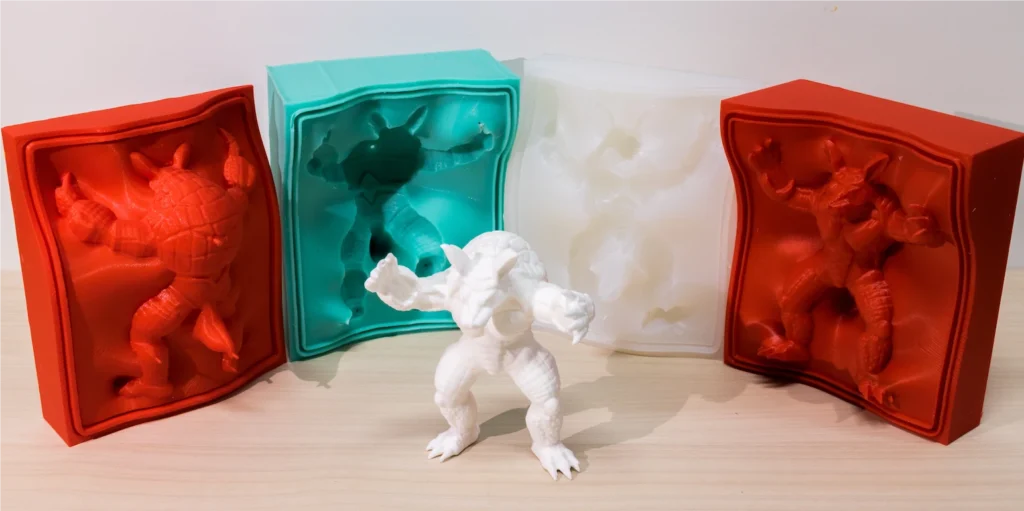
This is the best part! There are different ways to paint your mold. Choose the painting techniques you like best 6 2.
- Painting with a Brush:
- Utilice silicone paints como Psycho Paint straight from the container .
- You can also try acrylic paint. Mix it well . Maybe add a special medium to help it flex (mixing paints for silicone flexibility).
- Use your brush to add color. Try painting intricate mold details.
- You can try dry brushing silicone molds for cool effects.
- Be careful to avoid brush strokes on molds if you want a smooth look. Use retarder mediums for blending if using acrylics.
- Painting with an Airbrush:
- This gives a super smooth finish. Good for gradient effects on silicone.
- You need to thin your paint. Mix Psycho Paint con NOVOCS solvent .
- Spray light coats (layering paint on flexible surfaces) . Let each coat dry a bit before the next one. This is one of the main spray paint techniques for silicone.
- Coloring with Resin:
- This is different! You mix color into the liquid resin before you pour it into the mold .
- Use special resin pigments. Mix 2 parts resin with 1 part hardener (or follow product directions) and add your color .
- This makes the cast piece colored, not the mold itself. Good for custom silicone mold coloring. Check epoxy resin compatibility with paint pigments.
Cool Painting Ideas:
- Make multi-color silicone mold designs.
- Utilice stenciling on silicone surfaces.
- Pruebe alcohol-based inks for detailing.
- Utilice paint pen detailing tips for fine lines.
- Create metallic finishes on silicone or use glow-in-the-dark paints.
- Pruebe translucent paint effects.
- Explore reverse painting techniques (painting inside the mold before casting).
- Some people even try hydro dipping silicone molds o sublimation on silicone surfaces (these are advanced!).
Important Notes:
- Think about water-based vs oil-based paints. Oil-based might stick better but need more care 4.
- Consider paint toxicity considerations, especially for items that touch skin or food. Use low-VOC paints for safety.
- Work in a place with fresh air, especially if spraying. Use a respirator. Handle paint waste disposal correctly.
Step 3: Let it Dry and Seal it Tight! (Curing and Sealing)
You painted your mold! Yay! But wait, there are two more steps.
- Let it Cure: Paint needs time to dry and harden. This is called curing time for silicone paint . Let it sit overnight or follow the paint directions . Some paints are air-dry, others might need heat (oven-bake paints o heat-setting paint on silicone – be careful with heat!). Check temperature impact on paint curing. Multi-layer curing stages might be needed. Sometimes paint curing accelerators can speed things up.
- Seal the Deal: Apply a clear sealant spray . This protects your beautiful paint job. It helps with durability testing for painted molds. Choose a sealant that works with your paint (sealant compatibility testing). Use heat-resistant sealers if needed. This step helps with colorfastness in painted molds and prevents discoloration prevention. It adds to silicone mold longevity tips.
Now your painted mold is ready to use or show off! Make sure to check mold flexibility after painting. Good paints and sealers should not make it too stiff.
Oh No! Fixing Problems (Troubleshooting)
Sometimes things go wrong. Don’t worry! Here’s how to fix common issues:
- Problem: Paint Peeling or Not Sticking
- ¿Por qué?: Mold might not have been clean Or you forgot primer . Or you used the wrong paint.
- Fix: You might need to remove the peeling paint (removing old paint from molds) using silicone mold restoration techniques. Clean very well, use primer, and try a silicone paint como Psycho Paint. Look into adhesion promoters. Test paint first (testing adhesion with tape). Find good paint adhesion solutions.
- Problem: Bubbling Paint Issues
- ¿Por qué?: Paint might be too thick. Or applied too heavily 7. Or trapped air.
- Fix: Apply thinner coats. Let coats dry in between. Thin paint correctly if needed.
- Problem: Paint Cracks
- ¿Por qué?: Paint might not be flexible enough for silicone 2. Or applied too thick.
- Fix: Use paints made for flexible surfaces. Psycho Paint is good. Apply thin coats. This helps preventing paint cracks on molds.
- Problem: Colors Look Dull
- ¿Por qué?: The mold surface itself might be dull 9. Or the paint needs a glossy sealant.
- Fix: Polish the original model before making the mold if you want shiny casts 9. Use a glossy sealant after painting.
Following the steps for prep and using the right materials helps avoid most troubleshooting paint peeling issues!
Helpful Brands, Stores, and Learning Places
Want to learn more or find supplies? Here are some names to know:
Top Brands & Products:
- Smooth-On®: Makes Psycho Paint, NOVOCS, Sil-Poxy®, and great silicones. Check Smooth-On Technical Bulletins.
- Krylon, Rust-Oleum®: Known for spray paints and primers .
- Liquitex®, Golden Artist Acrylics, Plaid FX, Createx Colors®: Bien acrylic paints .
- Topsil Silicone, Polytek Development Corp., : Sell mold making and casting supplies.
- Alumilite® Supreme Silicone: Another silicone option.
- Flex Seal®: Known for flexible sealants 1.
- Badger Stynylrez Primer: A popular primer for hobbyists.
- Iwata: Makes quality airbrush kits.
Where to Buy:
- Michaels Craft Stores 6, Hobby Lobby: Good for general craft paints and some mold supplies.
- Blick Art Materials: Sells artist-grade paints and tools. Check Blick Art Materials Tutorials.
- Amazon’s Crafting Section, Jet.com Art Supplies: Online options.
- Specialty Stores: Reynolds Advanced Materials has expert staff.
Learn More From Experts:
- Smooth-On’s “How-To” Series: Great videos and guides 5.
- Stan Winston Studio / Stan Winston School of Character Arts: Amazing special effects and character creation tutorials. Great for cosplay prosthetic makers.
- Tested (Adam Savage’s channel): Often explores mold making and painting.
- Make: Magazine Mold-Making Guides: DIY project ideas.
- The Prop Building Guidebook by Eric Hart: A useful book.
- Craftsy Silicone Mold Classes, Udemy’s Mold-Making Courses: Online classes.
- YouTube Tutorials: Search for “silicone painting tutorial” 9 7 10. See how others do it! Maybe find artistic silicone mold galleries.
- Explore different applications like Silicona para la fabricación de moldes para muebles or even detailed Silicona para molduras de restauración arquitectónica. If you are into costumes, check out Moldes de silicona para Cosplay.
Industry Info:
- Look up ASTM D5288 (Silicone Standards) for technical details.
- Consider Silicone mold industry standards if selling items. Check silicone mold licensing (for resale) rules.
Quick Questions Answered (FAQs)
- Q: Can I use regular paint on silicone molds?
- A: It’s tricky 3 6. Regular paint como acrylics might work if you clean well, use a good primer, maybe mix the paint with a flexible medium, and seal it 1 5. Silicone paints (como Psycho Paint) work best because they are made for silicone 1. Oil-based enamel paints o chalk paint compatibility need testing.
- Q: How do I clean my painted silicone molds?
- A: Be gentle! Use mild soap and water 6. Avoid harsh scrubbing. Use soft cleaning tools for painted molds. Pressure washing precautions mean: don’t do it! Store molds carefully (mold storage post-painting).
- Q: Can I reuse my painted silicone molds?
- A: Yes! If you used good paint and sealed it, you can reuse them 6. Be gentle when taking casts out. Proper care means reusing painted silicone molds many times.
- Q: What are some advanced painting techniques for silicone molds?
- A: Pruebe marbling, swirling paint inside the mold before casting 6. Utilice stamps o textured objects for patterns 6. Try layering paint on flexible surfaces with an airbrush for depth. Check out professional mold-painting courses.
- Q: How do I fix an old or damaged painted mold?
- A: Pruebe silicone mold restoration techniques. Clean it. Gently sand if needed. Use Sil-Poxy® Adhesive for small tears (silicone mold repair post-paint). Re-prime and repaint areas.
- Q: Are there alternatives to painting?
- A: Yes! Silicone mold coating alternatives include coloring the silicone rubber itself with pigments before making the mold, or coloring the casting material (like resin) 6. Some use mold soap as a barrier in specific techniques.
You Did It! Happy Painting!
Wow! You learned a lot about how to paint silicone molds. Remember the main steps:
- Clean the mold very well.
- Utilice un Primer to help paint stick.
- Paint with thin coats using silicone paint or prepared acrylics.
- Seal it to protect the color.
This might take practice. Don’t be afraid to try! Experiment with different techniques como airbrushing o resin coloring 6. Maybe try making your own colors (DIY silicone paint recipes). Think about cost-effective painting methods.
Painting moldes de silicona can be super fun. You can make amazing custom pieces for crafts, cosplay, art (Silicona para fundición de bronce), or even baking (if using food-safe methods). Have fun making your molds look awesome!