
Importing silicone from China is tricky. If you focus only on price, you might lose your entire investment. You need to know the risks first.
The most important precaution is to prioritize quality stability[^1] over the lowest price. Many cheap options rely on recycled "cracking material," which leads to unstable viscosity[^2] and poor curing. Always test samples for shelf life[^3] and flow to avoid wasting materials and damaging your valuable master molds.

I have worked in this industry for over 15 years. I have seen many customers from the Middle East and Africa make the same mistake. They look at the price tag and smile. Then, they get the shipment and cry. Let me tell you exactly what goes wrong and how you can stop it.
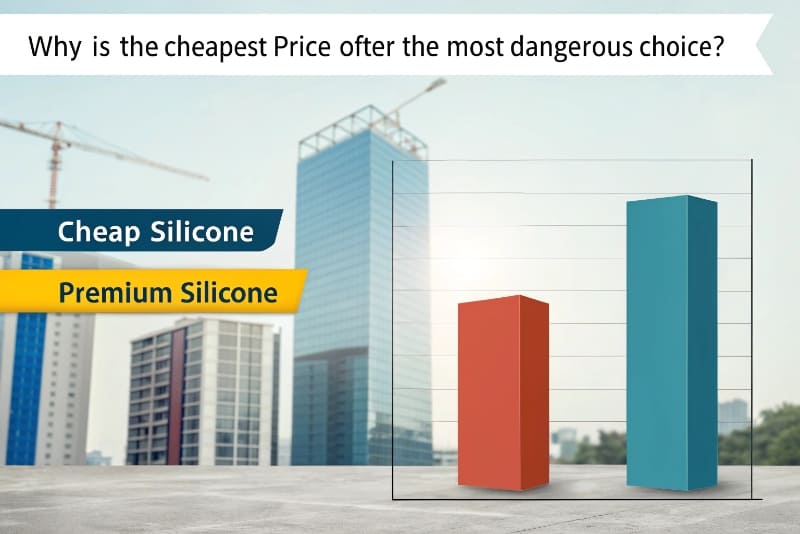
Why is the cheapest price often the most dangerous choice?
You want to cut costs. A supplier offers a crazy low price. It seems like a great deal. But is it really?
Cheap silicone often uses "cracking material" or recycled waste instead of pure raw ingredients. This saves money upfront but destroys quality. The chemical structure[^4] is broken. This leads to weak molds that tear easily and last only a few uses. You actually spend more money replacing molds than you save on the material.
Let's look at this deeper. In China, we call this "cracking material." It comes from old silicone products that are burned and distilled. It is not new.
When manufacturers use this, they also add "neutron powder" or heavy fillers to lower the cost even more. The result is a heavy, thick mess. I remember a client who bought the cheapest drum he could find. When he opened it, the bottom was full of hard sediment. He could not stir it. He wasted the whole batch.
You must look at the total cost of ownership[^5]. If you buy cheap silicone, your molds break after 10 casts. If you buy good silicone, your molds last for 50 casts. The math is simple. You also risk your reputation. If your final product has defects because the mold was bad, your customers will leave you.
Comparison: Virgin Material vs. Cracking Material
| Feature | Virgin Material (Topsil Standard) | Cracking/Recycled Material |
|---|---|---|
| Price | Reasonable market price | Extremely low |
| Smell | Odorless or very faint | Strong, bad chemical smell |
| Viscosity | Stable over time | Increases rapidly (gets thick fast) |
| Tear Strength | High, durable | Low, tears easily |
| Oil Leaking | No leaking | Serious oil leakage over time |
| Sediment | None | Heavy settling at the bottom |
How does unstable viscosity[^2] ruin your production schedule?
You mix the rubber. It gets thick too fast. You cannot pour it. Now your day is ruined. Does this sound familiar?
Unstable viscosity is a nightmare for production. Poor quality silicone changes locally in the drum. It becomes too thick to flow into complex details. This causes air bubbles[^6] and ruined parts. You need a supplier who guarantees that the viscosity remains the same from the first month to the sixth month.
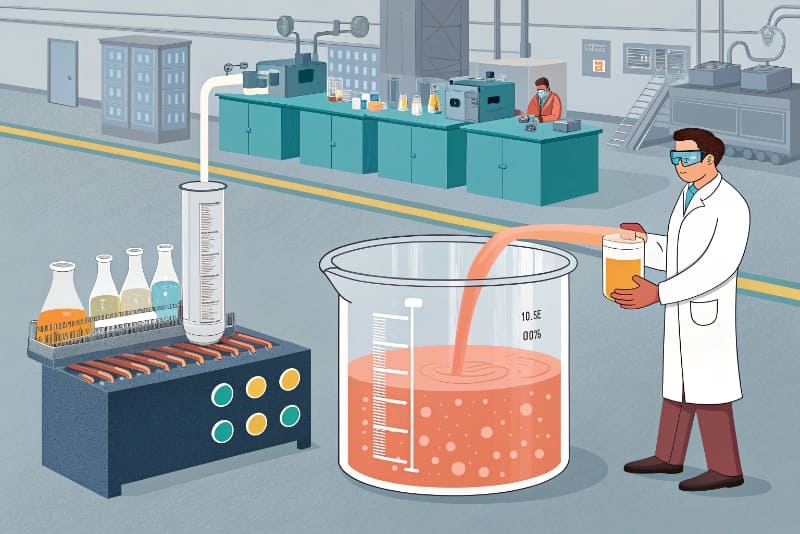
Viscosity is the "blood" of your molding process. If it is too thick, it does not flow. If it is too thin, it might be weak. When suppliers use recycled material, the viscosity is unpredictable.
I have seen silicone that looked fine when it left the factory. But after one month on a ship to Dubai or Hamburg, it arrived solid. The heat and time made the bad chemicals react. The customer could not use it. This is why stability is the most critical factor.
At Topsil, we control the formula strictly. We know that if the flow is bad, you cannot work. You lose time cleaning the mess. You lose time mixing new batches. Worst of all, if the silicone gets thick too fast, it traps air. These bubbles appear on the face of your statue or the surface of your stone mold. You have to fix every single product by hand. That labor cost is huge.
The Impact of Viscosity on Your Workflow
| Viscosity State | Consequence for Mold Maker | result |
|---|---|---|
| Stable & Correct | Fills every small crack and texture. | Perfect reproduction. |
| Too High (Thick) | Traps air; requires vacuum degassing. | Bubbles and defects. |
| Unstable (Changes) | Cures too fast or never cures. | Wasted material and labor. |
| High Sediment | Lumps in the mixture. | Rough surface finish. |
Why should you demand a partner instead of just a seller[^7]?
You have a problem. You email your supplier. No reply for three days. Can your business survive that silence?
A real partner helps you grow, not just sells you glue. You need technical support[^8] that understands your local climate and specific application. Whether you are in India or Russia, you need a factory that acts like an R&D team for your business, offering solutions quickly.

Buying silicone is not like buying screws. It is a chemical product. It reacts to temperature, humidity, and mixing ratios. You need a guide.
Many traders in China just buy low and sell high. They do not know what is inside the drum. If you ask, "Why is this batch not curing?" they say, "I don't know." That is dangerous for you.
At Topsil, we view ourselves as your growth partner. We have warehouses in places like Qingdao and aim for overseas spots like Dubai. This means we are close to you. We have spent 15 years with zero quality recalls. Why? Because we test everything.
We also customize. If you need a faster cure time for winter in Russia, we adjust the formula. If you need high heat resistance for a foundry in Turkey, we change the additives. We help you solve problems so you can sell more.
The Difference Between a Vendor and a Partner
| Attribute | Typical Trader | Topsil Silicone Partner |
|---|---|---|
| Focus | One-time sale | Long-term growth |
| Knowledge | Limited to price list | Deep chemical expertise |
| Response | Slow, avoids problems | 24/7 technical support[^8] |
| Supply Chain | Unpredictable | Global warehouses (China & Abroad) |
| Customization | "Take it or leave it" | "Let's make a formula for you" |
| Risk | High (quality varies) | Zero (15 years zero recalls) |
Importing silicone is safe if you choose stability over the cheapest price and pick a partner who supports your technical needs.
[^1]: Understanding quality stability is crucial for ensuring the longevity and performance of your silicone products. [^2]: Discover how viscosity impacts your workflow and product quality, ensuring you make informed decisions. [^3]: Knowing the shelf life helps you manage inventory and ensure product effectiveness. [^4]: Explore the importance of chemical structure in silicone to ensure you choose high-quality materials. [^5]: Understanding total cost of ownership helps you evaluate long-term savings versus initial costs. [^6]: Learn how to prevent air bubbles in your silicone casting to maintain product integrity. [^7]: A true partner offers tailored solutions and support, enhancing your business growth and product quality. [^8]: Technical support can help you troubleshoot issues and optimize your production process effectively.

 ID
ID  EN
EN  ES
ES  RU
RU  AR
AR  TR
TR  DE
DE  KO
KO  IT
IT  PT
PT  PL
PL  FA
FA  CS
CS  FR
FR  RO
RO  EL
EL  JA
JA  SL
SL  VI
VI