
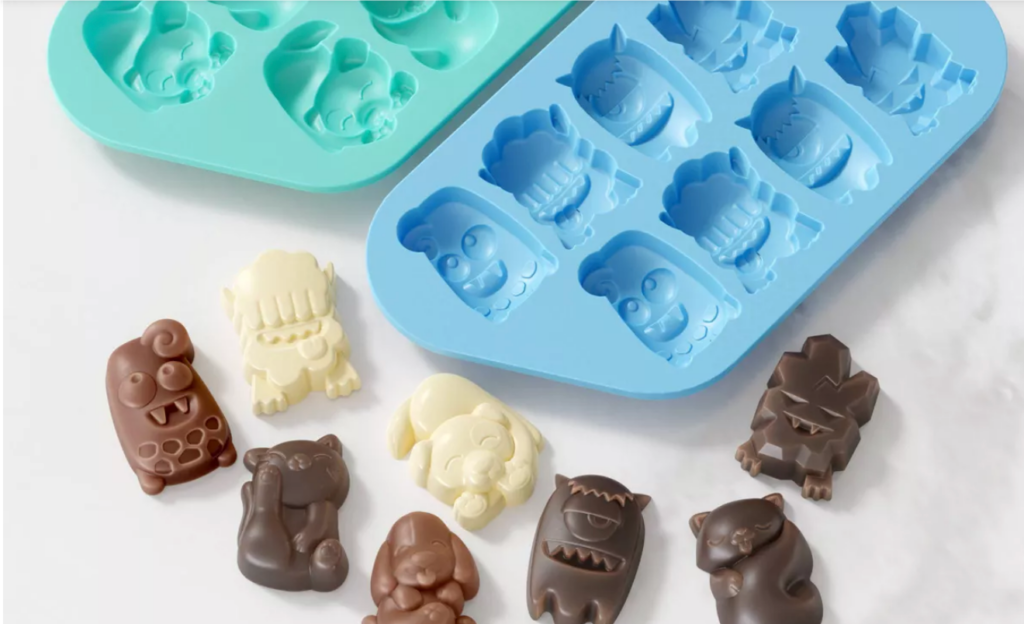

Many people assume that all silicone is naturally safe for food use, but that is not true. Food-grade silicone is a specific material category with its own formulation, performance requirements, and food-contact expectations.
This guide explains what food-grade silicone is, what it is made of, whether it is safe, how it compares with regular silicone, and where to buy it.
What Is Food Grade Silicone?
Food-grade silicone is a type of silicone rubber formulated for safe contact with food, beverages, and related applications. It is manufactured with carefully controlled raw materials and additives so that it remains stable during use and does not release harmful substances under normal food-contact conditions.
Compared with general-purpose silicone, food-grade silicone is formulated for higher purity, better stability, and safe repeated food-contact use.
What Is It Made Of?
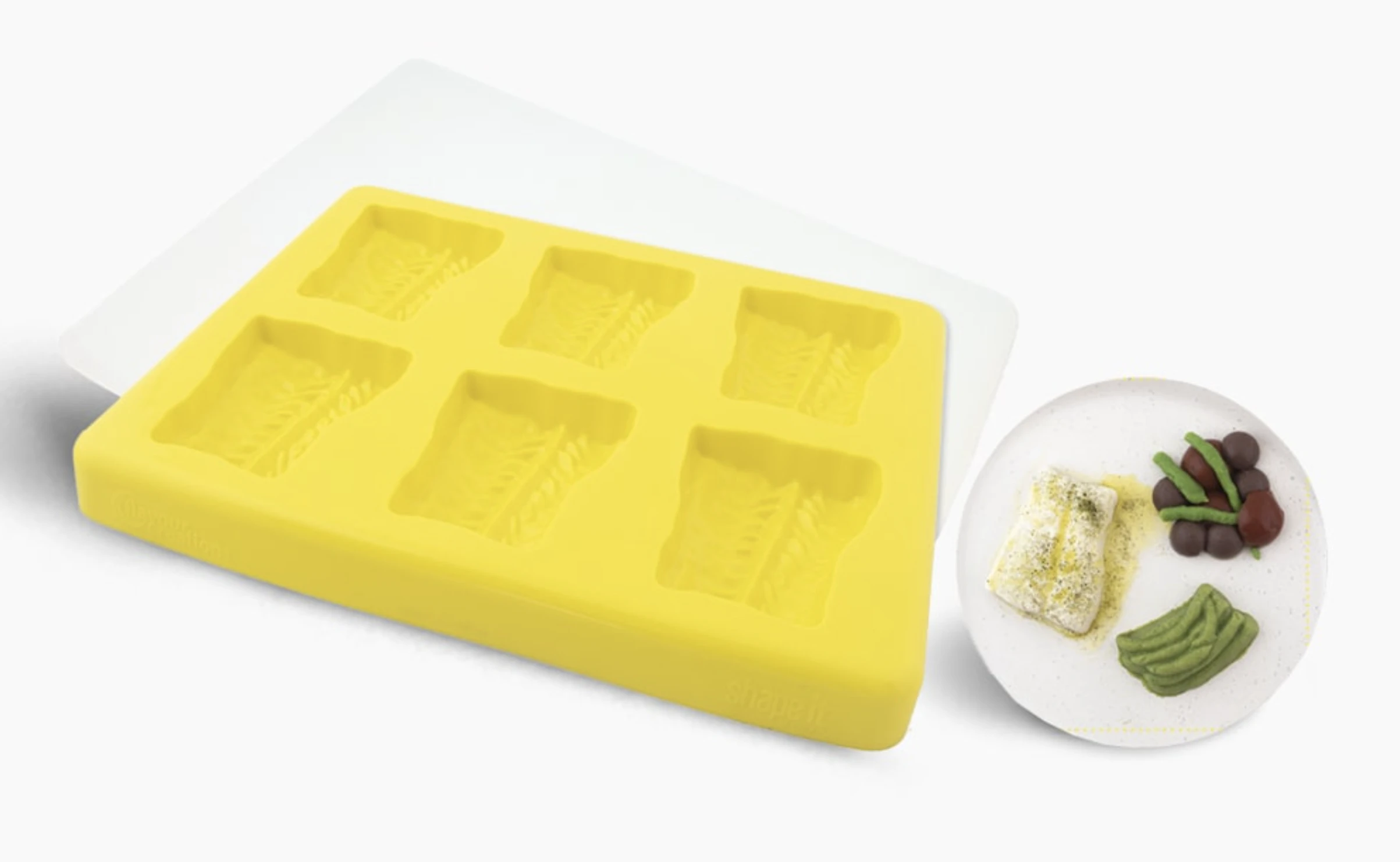
식품 등급 실리콘 is mainly made from a silicone polymer system based on silica-derived materials. In simple terms, it is a synthetic elastomer built from silicon, oxygen, carbon, and hydrogen rather than conventional plastic. A typical formulation may include a base polymer such as polydimethylsiloxane (PDMS), reinforcing fillers like high-purity silica, a curing system, and selected additives chosen for food-contact performance. For higher-end applications, platinum-cured silicone is often preferred because it produces fewer byproducts, has a cleaner odor profile, and offers better purity and long-term stability.
Key Properties of Food-Grade Silicone
When buyers evaluate food-grade silicone, they should look beyond the label and focus on material performance.
온도 저항
Food-grade silicone typically performs well across a wide temperature range, making it suitable for both freezer and oven environments.
Flexibility and Elasticity
It remains flexible after repeated use, which is why it is ideal for molds, utensils, seals, and tubing.
Chemical Stability
It resists many oils, moisture, and common food ingredients without degrading quickly.
Low Odor and Low Taste Transfer
Good food-grade silicone should not give off a strong odor or affect the taste of food.
내구성
It can offer strong tear resistance, good rebound, and long service life when processed correctly.
Is Food Grade Silicone Safe?
Yes, food-grade silicone is generally considered safe when it is properly formulated, properly cured, and used under normal conditions.
Its safety comes from several important characteristics:
1. Chemical Inertness
Food-grade silicone is chemically stable and does not easily react with food, oils, moisture, or acidic ingredients.
2. Low Migration
A well-manufactured food-grade silicone material is designed to minimize the transfer of unwanted substances into food.
3. No BPA
Unlike some plastics, food-grade silicone is typically BPA-free, which is one reason it is widely used in baby products and kitchenware.
Food Grade Silicone vs. Regular Silicone
This is one of the most common questions from buyers.
The short answer is:
Food-grade silicone is not the same as regular silicone.
| 기능 | 식품 등급 실리콘 | Regular Silicone |
|---|---|---|
| Intended for food contact | 예 | 반드시 |
| Purity requirements | Higher | Depends on the application |
| Odor and migration control | More important | May not be a priority |
| Typical applications | Kitchenware, baby products, food equipment | Industrial sealing, casting, insulation |
| Compliance documentation | Often required | Often not required |
Regular silicone may work well in industrial or general applications, but that does not automatically mean it is suitable for food contact.
What Is Food-Grade Silicone Used For?
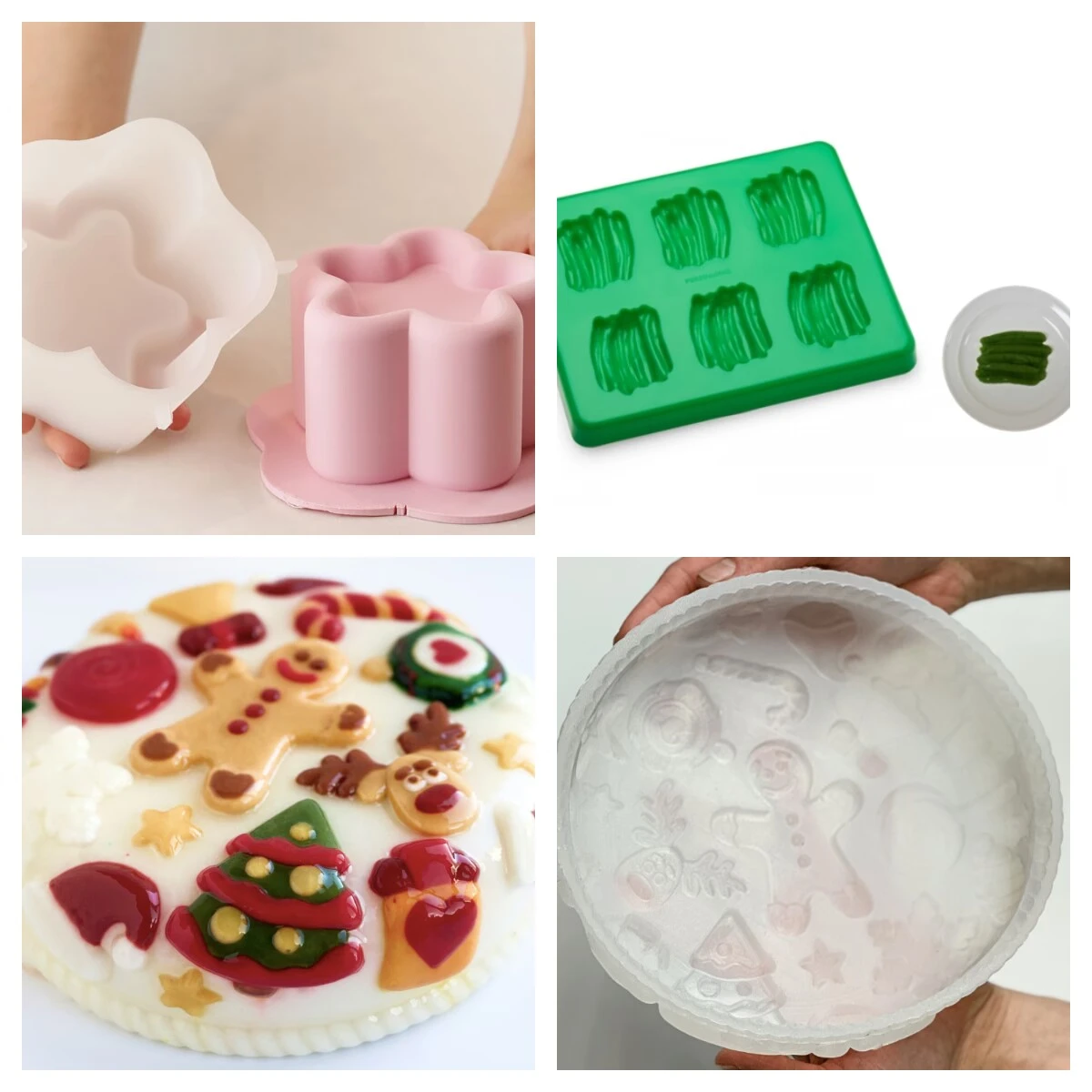
Food-grade silicone is used in a wide range of consumer and industrial food-contact applications.
In kitchen and bakeware, it is commonly used for baking molds, spatulas, baking mats, ice trays, and cake decoration molds. These products benefit from silicone’s flexibility, heat resistance, and easy-release performance.
In baby products, food-grade silicone is often used for bottle nipples, pacifiers, feeding spoons, and teething products. In these applications, buyers usually care most about purity, softness, odor control, and consistent safety performance.
In food processing and industrial applications, food-grade silicone is widely used for gaskets, tubing, transfer components, machine seals, and molded parts that come into contact with food. For these uses, material stability, durability, and compliance documentation are especially important.
How to Identify High-Quality Food-Grade Silicone?
Not all products marketed as food grade are equal. Here are a few practical checks buyers can use:
1. Ask for Compliance Information
A professional supplier should be able to explain the standard or testing basis behind the food-contact claim.
2. Understand the Curing System
For many premium food-contact applications, platinum-cured silicone is preferred.
3. Check Odor and Appearance
High-quality silicone usually has low odor and a clean, consistent appearance.
4. Review the Intended Temperature Range
The material should match the actual working conditions of the final application.
5. Evaluate Supplier Capability
A good supplier should help with:
grade selection
hardness choice
technical advice
samples
application matching
Where to Buy Food-Grade Silicone?
If you are sourcing food-grade silicone, especially for B2B manufacturing, it is important to buy from a supplier that understands both material performance and compliance requirements.
When choosing a supplier, ask:
Is the silicone intended for direct or indirect food contact?
Is it platinum-cured or peroxide-cured?
What hardness grades are available?
Can the supplier provide technical data and compliance documentation?
Can they recommend the right grade for your application?
For professional buyers, the best supplier is not simply the cheapest one. The right supplier should be able to support:
material consistency
technical selection
application matching
stable quality across batches
If you are buying food molds, baby products, kitchenware, or food-processing parts, it is worth working with a silicone manufacturer that specializes in food-contact materials rather than general-purpose silicone only.
자주 묻는 질문
Is FDA silicone the same as food-grade silicone?
Not exactly. Food-grade silicone is a broader term for silicone that is safe for food contact, while FDA silicone usually refers to silicone that meets FDA food-contact requirements. In most cases, FDA silicone can be considered a type of food-grade silicone, but not all food-grade silicone is necessarily FDA compliant.
Is food-grade silicone non-toxic?
Properly manufactured food-grade silicone is generally considered non-toxic for normal food-contact use.
Does food-grade silicone have microplastics?
Silicone is chemically different from common plastics and is not usually categorized in the same way as conventional microplastic-forming plastic materials.
Does food-grade silicone leach chemicals?
High-quality food-grade silicone is designed for low migration and should not significantly leach harmful substances under normal use conditions.
Are food-grade silicone and medical-grade silicone the same?
Not necessarily. Medical-grade silicone is used for different regulatory and biological requirements.