
For procurement managers sourcing raw materials for high-volume consumer kitchenware, medical-grade baby products, or food-processing machinery, “Food-Grade” is not a marketing buzzword—it is a strict legal and engineering boundary. Relying on general-purpose industrial silicone for food-contact environments introduces severe chemical migration risks, resulting in toxicological product recalls and failed custom safety audits.
High-purity food-grade silicone must be chemically engineered and strictly processed to ensure it remains completely inert, releases zero volatile organic compounds, and maintains mechanical integrity under extreme thermal extraction conditions.
Quick Answer: Is Your Silicone Safe for Global Export?
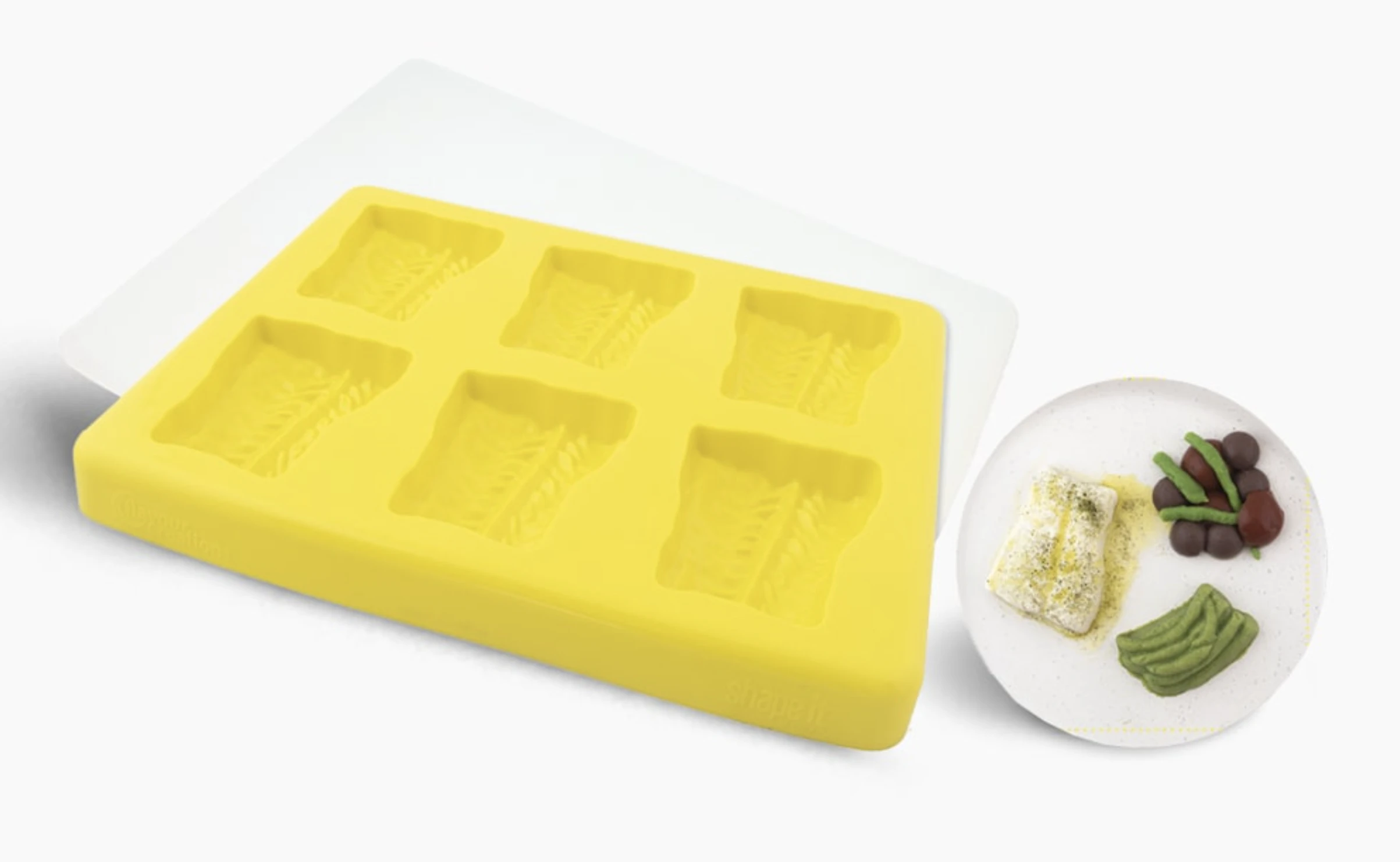
The defining difference between industrial elastomer and true food-contact rubber lies in compliance documentation and material purity.
- US Market Target: Silicone must comply explicitly with FDA 21 CFR 177.2600 (Rubber articles intended for repeated use), passing strict distilled water and n-hexane reflux extraction limits.
- EU Market Target: Silicone must satisfy Germany’s LFGB (BfR Recommendation XV), keeping total Volatile Organic Matter (VOM) strictly below 0.5% by weight. To hit this gold standard, specifying a post-cured, platinum-catalyzed silicone matrix is the only safe engineering pathway for global export brands.
Compliance & Technical Parameters: Industrial vs. Food-Grade
| Technical & Regulatory Metrics | Industrial / Regular Silicone | Premium Food-Grade Silicone |
| Regulatory Compliance | None / General RoHS and REACH | FDA 21 CFR 177.2600 & LFGB (BfR XV) Certified |
| Catalyst Chemistry | General Peroxide / Heavy-Metal Tin Systems | High-Purity Platinum Additive Systems or Post-Cured Peroxide |
| Volatile Organic Matter (VOM) | Not monitored; typically exceeds 1.5% | Strict laboratory extraction controls (<0.5% weight limits) |
| Odor & Sensorial Transfer | High risk of chemical outgassing / acid bloom | Completely taste-inert and odor-free for food/beverages |
| Primary B2B Applications | Automotive gaskets, machinery seals, general mold-making | Baby bottle nipples, coffee machine tubing, food-conveyor belts |
The Catalyst Battle: Peroxide-Cured vs. Platinum-Cured Systems
When evaluating raw food-grade silicone bases, process engineers must select between two distinct vulcanization mechanisms. This choice dictates both your per-kilo material cost and your global legal compliance.
1. Peroxide-Cured Systems (The Cost-Driven Baseline)
Peroxide-catalyzed silicone relies on a free-radical reaction to cross-link the polydimethylsiloxane (PDMS) chains. While highly cost-effective for mass-market items, peroxide vulcanization leaves behind volatile acid byproducts (such as 2,4-dichlorobenzoic acid).
Without an aggressive post-cure heating cycle, these acid residues cause the cured rubber to exhibit a bitter taste and noticeable chemical odor. Peroxide systems can hit standard FDA baselines but frequently fail the strict European LFGB volatile matter test.
2. Platinum-Cured Systems (The High-Purity Premium Standard)
Platinum-cured silicone operates on an addition-cure mechanism. The platinum catalyst links the vinyl-functional polymers directly with zero volatile byproducts or outgassing.
The resulting elastomer is crystal clear, inherently odorless, possesses superior tensile recovery, and seamlessly satisfies both FDA and LFGB extraction parameters. For premium baby bottle nipples, food-grade transfer tubing, and high-end bakeware, platinum systems are the mandatory factory specification.
Key Performance Metrics of Food-Grade Elastomers
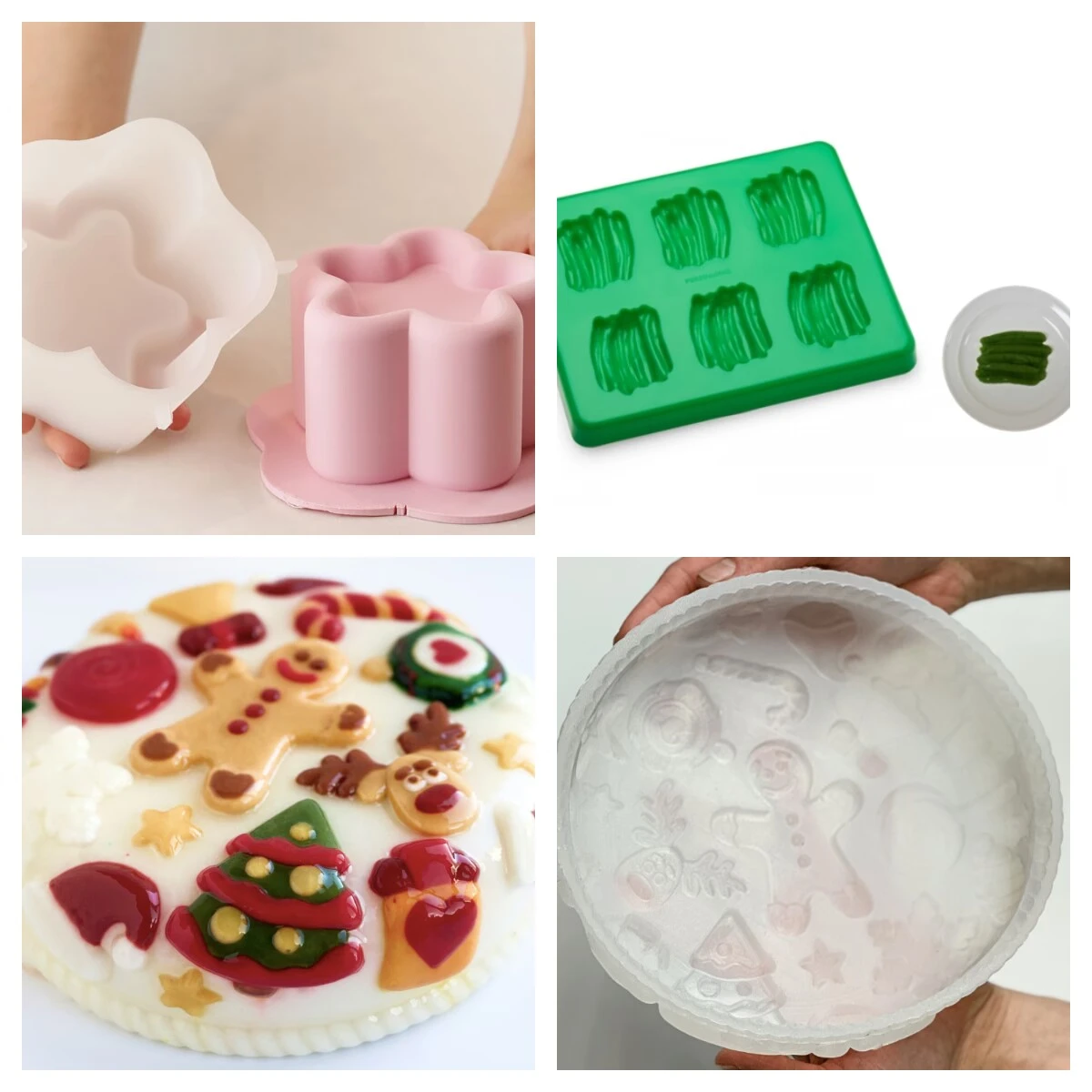
Industrial buyers must evaluate food-grade silicone across four core operational baselines:
- Thermal Extraction Resistance: True food-grade silicone handles structural environments ranging from -60°C up to 230°C+. It can transition directly from commercial flash-freezers to high-heat baking ovens without experiencing polymer chain depolymerization or leaching.
- Low Chemical Migration: The cross-linked matrix is hydrophobic and chemically inert. It refuses to react with hot cooking oils, organic acids, fats, or high-sugar beverage concentrates, maintaining structural stability after thousands of wash cycles.
- Zero Sensory Taint: High-purity grades exhibit near-zero outgassing, ensuring that liquids, steam, or baked goods stored inside the silicone components experience zero odor or taste alteration.
- Elastomeric Memory: Offers high tear strength and premium rebound elasticity, preventing the seals, valves, or mold cavities from deforming or tearing after automated, high-repetition manufacturing stresses.
Sourcing Checklist for Procurement Managers
When shortlisting silicone raw material manufacturers for your production lines, verify these four technical criteria to safeguard your supply chain:
- Request the Traceability Dossier: Ensure the supplier provides explicit lot-traceability documentation linking back to certified raw bases. Ask for recent SGS, TÜV, or Intertek laboratory reports confirming compliance with FDA 21 CFR 177.2600.
- Audit the Post-Curing Protocol: For products bound for the European market, verify if the factory executes a post-cure bake cycle (typically 4 hours at 200°C). This essential thermal step is what drives off volatile organic matter to hit the <0.5% LFGB requirement.
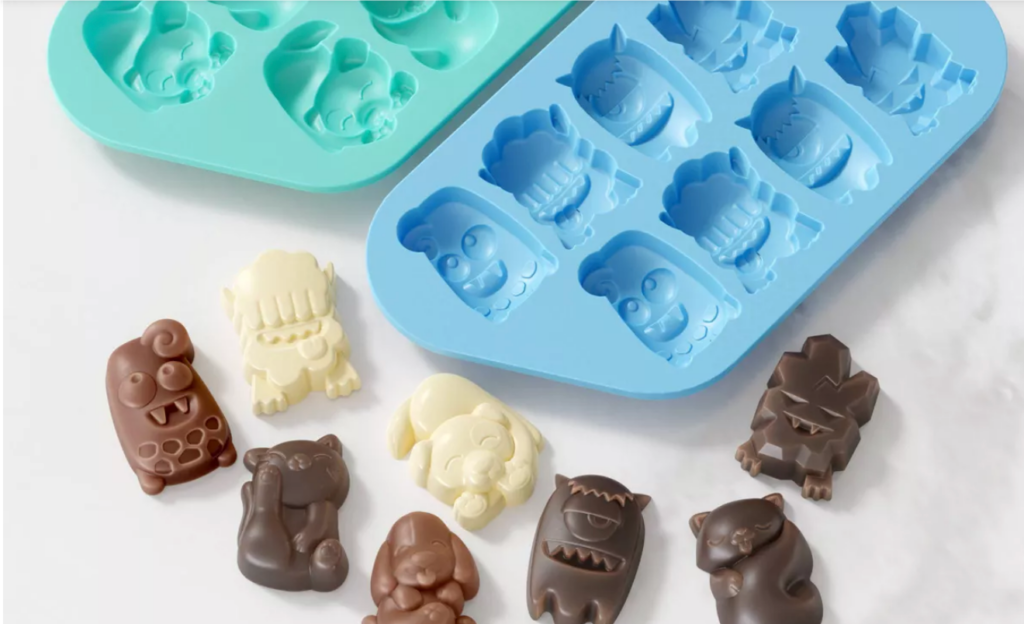
- Verify the Shore A Härte Fit: Food-grade liquid silicones range from liquid-soft Shore A 10 (ideal for flexible chocolate or pastry molds) up to a rigid Shore A 70 (optimal for mechanical pump seals, gaskets, and industrial conveyor rollers).
- Clarify Direct vs. Indirect Contact: Ensure the selected grade matches the application. Conveyor belts handling dry grains require different oil-resistance parameters compared to liquid tubing feeding infant formula.
Technical Food-Grade Silicone FAQs
Is “BPA-Free Plastic” safer than food-grade silicone?
Food-grade silicone holds a significant engineering advantage over plastics. Silicone is fundamentally an inorganic polymer made of silicon and oxygen atoms, making it 100% free from Bisphenol A (BPA), phthalates, and lead by nature. Unlike plastics, silicone does not rely on dangerous chemical plasticizers to achieve its flexibility, meaning it will not leach endocrine-disrupting chemicals when subjected to microwave or oven heat.
Does food-grade silicone shed microplastics into hot food?
No. Because silicone is structurally separate from hydrocarbon-based conventional plastics, it does not degrade into typical thermoplastic microplastics. It behaves as a stable, cross-linked thermoset rubber that maintains its structural bonds over its entire service lifetime.
What is the mechanical difference between food-grade and medical-grade silicone?
While both prioritize extreme purity and often utilize platinum-catalyst systems, medical-grade silicone undergoes much stricter biocompatibility testing (such as USP Class VI or ISO 10993 parameters). Medical grades are optimized for prolonged tissue contact or implant capability, whereas food-grade silicones focus on chemical extraction resistance against hot water, organic acids, and fats.
Final Words
Investing in high-fidelity food-grade silicone is the ultimate safeguard for your product’s market reputation and consumer safety. Sourcing cheap, unverified general-purpose rubber for skin or food-contact interfaces is a high-stakes liability that inevitably leads to brittle component breakdown and compliance failures.
Are you preparing to manufacture a new line of commercial kitchenware, high-purity food-processing seals, or medical-grade baby accessories? Contact TOPSIL’s chemical application engineering desk today. Our experts will match your machinery setup with the exact Shore A hardness, cure system, and compliance documentation required to secure your global export channels.