Silicone for Vacuum Bagging

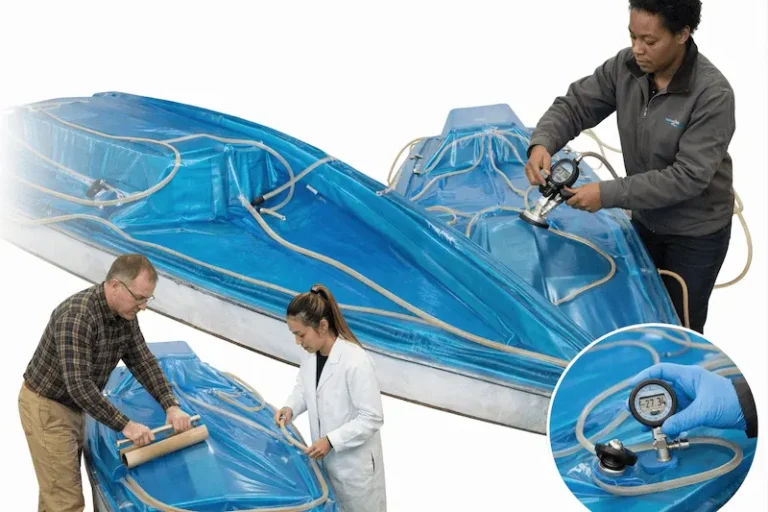
Reusable vacuum bagging needs more than a flexible rubber. If your process depends on conforming over complex tools, sealing reliably, and surviving repeated composite cycles, start by matching silicone to tool geometry, application method, and production rhythm.
silicone-vaccum-bagging (1)

Choose by Bagging Workflow, Not by Generic Silicone Claims

For reusable vacuum bagging, the right silicone is not simply the softest or easiest-to-apply option. A bag for a large vertical tool behaves differently from a bag used for repeated de-bulking, infusion, or cure-cycle support. The correct grade depends on what your bagging setup needs most: better conformability, stronger sealing reliability, more tear resistance, or more stable repeat use.

Large, vertical, or irregular tools

Start with brush-on or sprayable application + conformability

Repeated production bagging

Start with tear resistance + reuse durability

Narrow flanges or legacy tooling

Start with sealing behavior + bag fit

De-bulking, infusion, or cure-cycle support

Start with flexibility + process repeatability

What Vacuum Bagging Buyers Should Prioritize

Conformability to Tool Geometry

A reusable silicone bag is only useful if it conforms well to the actual tool surface. Complex shapes, vertical areas, and irregular tooling usually need better application control and a better fit.

Seal Reliability

A bag that fits the tool but does not hold a dependable vacuum seal creates process instability. On tighter flanges or older tooling, seal behavior can matter just as much as elasticity.

Repeated-Use Durability

For production bagging, the better grade is usually the one that survives more cycles with predictable performance, not the one that only works well in the first bag.

Why Reusable Vacuum Bagging Setups Commonly Fail

In many vacuum bagging projects, the issue is not “bad silicone” in general. The problem is often a mismatch between the silicone system and the real tooling condition, bagging method, or production rhythm.
Most silicone vacuum bagging problems show up in one of these ways:

The Bag Does Not Conform Cleanly

Bridging or a poor fit makes the process less stable on complex tools.

The Seal Becomes Unreliable

The bag reaches the tool, but sealing performance is not consistent enough for repeat production.

The Bag Tears at Stress Points

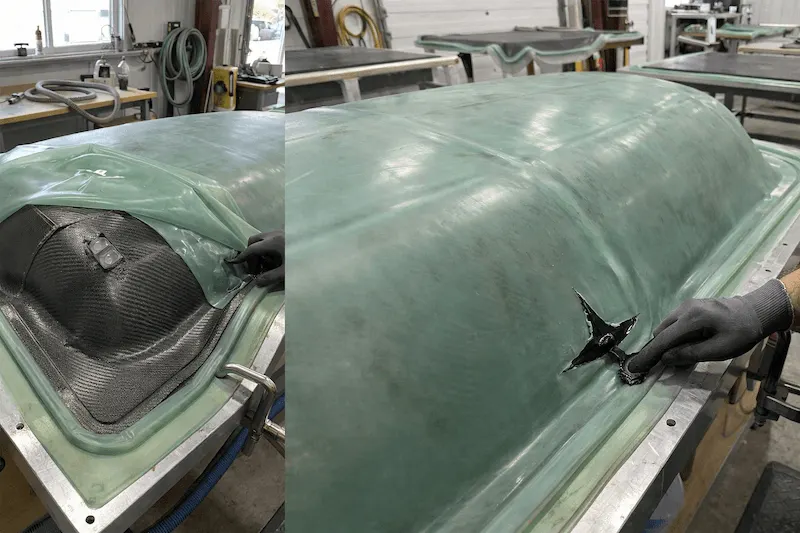
Corners, sharp transitions, or repeated handling shorten bag life too quickly.

The Process Works Once, but Not Consistently

A bag may succeed in the first cycle, but repeated de-bulking, infusion, or cure support becomes less predictable over time.

A Common Real-World Mistake

Many buyers focus first on softness because they want a bag that feels flexible and easy to handle. But a reusable vacuum bag that feels soft in the first cycle is still the wrong bag if it cannot seal well, tears too early, or becomes inconsistent across repeated composite processing.
That is why vacuum bagging silicone should be matched to tool geometry + sealing condition + reuse demand, not chosen like a general flexible rubber.

A Better Way to Choose the Grade​

For Large or Vertical Tools

If the tool is large, vertical, or difficult to enclose with a conventional disposable bag, application method matters first. In these cases, brush-on or sprayable silicone may be more practical than a simple cast approach because surface control matters more than generic flow.

For Repeated Production Bagging

If the bag will be used again and again, reuse durability matters first. The better grade is the one that stays workable across more cycles, not the one that only performs well in the first test.
For Narrow Flanges or Legacy Tooling
If the tooling does not offer generous sealing surfaces, seal reliability matters first. In these projects, a bag that conforms well but does not maintain a dependable seal is still the wrong direction.
 
For Infusion, De-Bulking, or Cure-Cycle Support
If the bag is part of an ongoing composite workflow, process repeatability matters first. A reusable bag should support a stable process, not just replace one disposable bag once.

Typical Applications

Reusable silicone vacuum bags for composite layups
Vacuum bagging support for de-bulking
Resin infusion support processes
Cure-cycle bagging workflows
Large or irregular composite tooling
Repeated production bagging setups

Need a Better Silicone Grade for Reusable Vacuum Bagging?

Send us your tool size, whether the surface is vertical or irregular, your sealing condition, and whether the bag is for one-off testing or repeated production. We’ll help you narrow down a more suitable RTV-2 silicone direction.

FAQs

What matters more for reusable vacuum bagging: flexibility or sealing reliability?

That depends on the setup. Some projects need better conformability first, while others fail mainly because the bag does not maintain a dependable seal.

When is brush-on or sprayable silicone a better option than a simple cast bag?

Brush-on or sprayable application is often a better starting point when the tool is large, vertical, irregular, or difficult to enclose cleanly with a conventional bagging setup.

Why do silicone vacuum bags fail after a few successful cycles?·

In many cases, the first few cycles do not reveal the real weakness. The problem often appears later as tearing at stress points, less reliable sealing, or reduced repeatability across repeated composite processing.

What should I prioritize for repeated production bagging?

For repeated production, reuse durability, seal stability, and predictable process behavior usually matter earlier than first-use convenience.

Can you recommend a suitable grade for my reusable vacuum bagging project?

Yes. Share your tool type, geometry, sealing condition, and whether the setup is for one-off use or repeated production, and we can help you review a more practical starting direction.

Contact Us Today, Get Reply in 24 hrs !

Your information will be kept strictly confidential.

This is Evan, the Manager of Topsil Silicone. Congratulations on you to find a professional supplier !  Pls send  your inquiry , we will contact you within 24 hours.

Free ‘Topsil Silicone Rubber’ E-book

If you still want to know more about our products,  a detailed E-catalogue can send to you.