silicone-potting-compound (1)

Silicone Potting Compound for Electronics

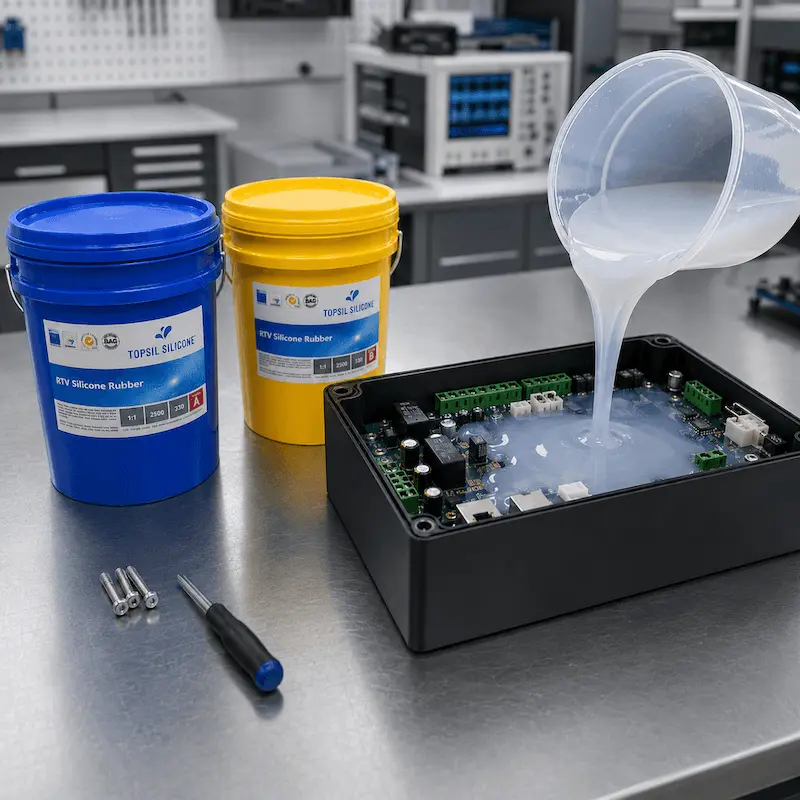
Two-part RTV silicone potting compound for PCB potting, LED encapsulation, electronic modules, sensors, connectors, and industrial electronic assemblies.

Designed for electrical insulation, moisture protection, sealing, vibration resistance, and flexible encapsulation after cure.

Lead Time:

3–7 Days

MOQ:

100kg

Sample:

Free

H.S Code:

39100000

Where Silicone Potting Compound Is Used

Electronic Modules_

PCB & Electronic Modules

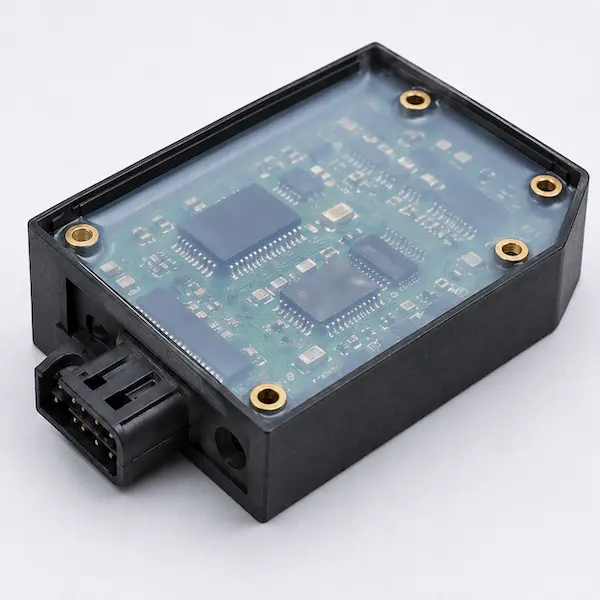
Silicone potting compound can be used to protect electronic modules from moisture, dust, and vibration. It helps seal the assembly while maintaining flexibility after curing.
Sensors_

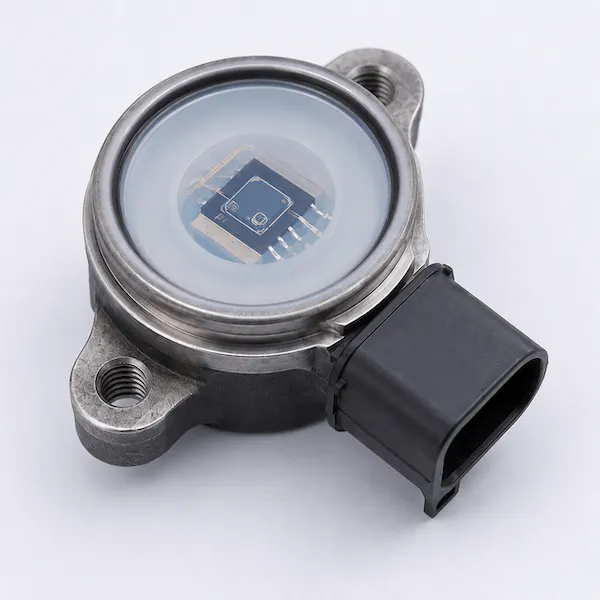
Sensors

For sensors and sensitive components, silicone potting materials can provide environmental protection while reducing mechanical stress on delicate parts.
Electrical Connectors_

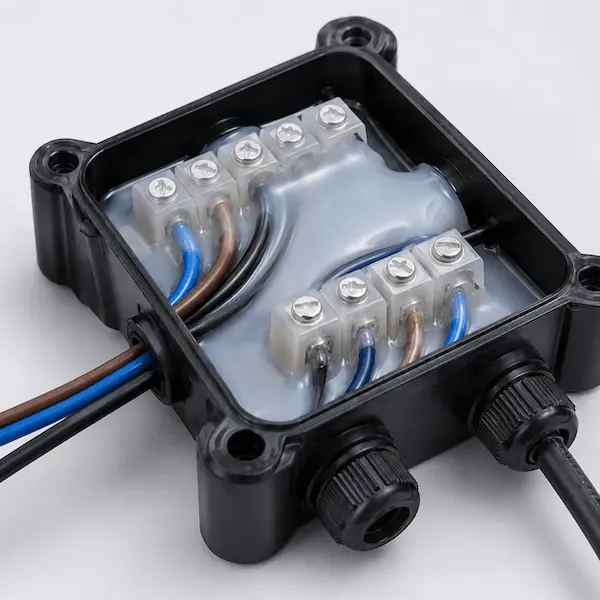
Electrical Connectors

Silicone potting compound can help protect connector areas from moisture, contamination, and insulation failure, especially in applications where sealing and flexibility are both required.
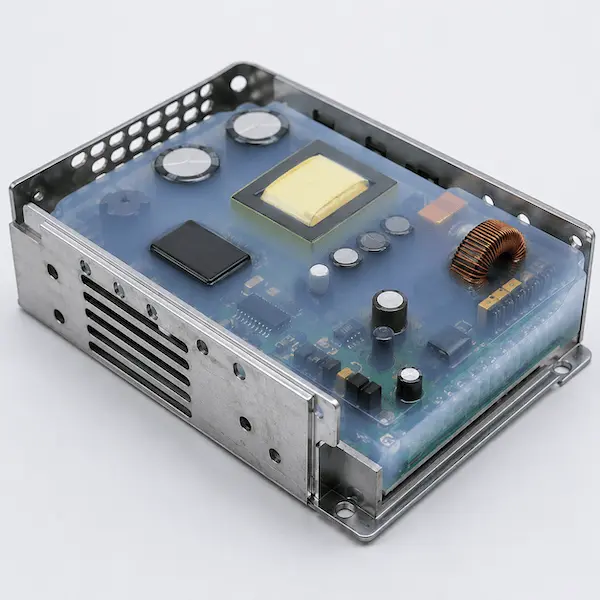
Power Supplies and Control Units

For power-related assemblies and industrial control units, silicone encapsulation can support insulation, protection, and vibration resistance.
LED Components_

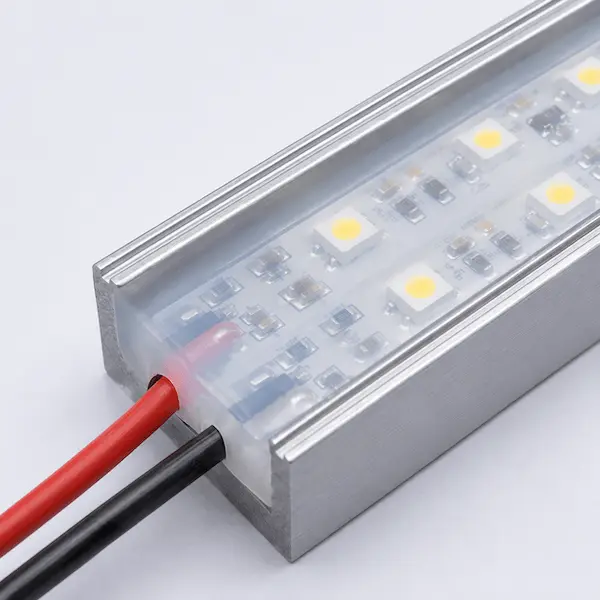
LED Components

Silicone potting materials may be used for LED-related components where protection, flexibility, and stable performance are needed.
Industrial Electronics_

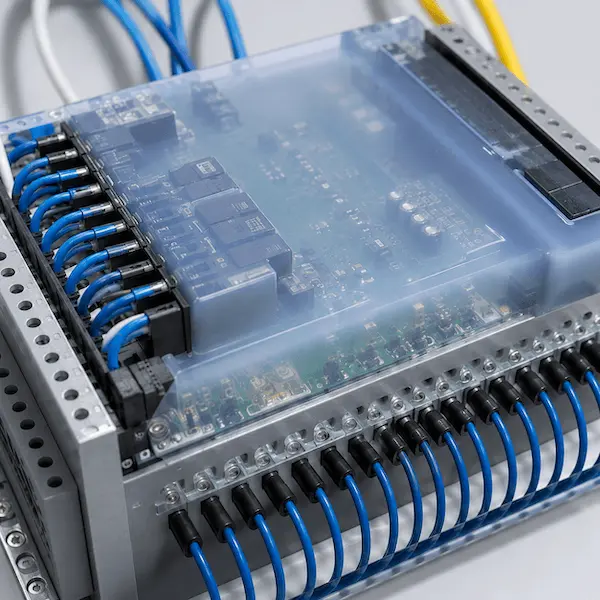
Industrial Electronics

For general industrial electronics, silicone potting compound can help protect components used in equipment, automation systems, and electrical assemblies.

Why Choose Silicone Potting Compound for Electronics?

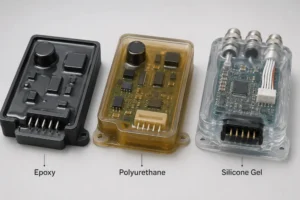
Compared with rigid epoxy or polyurethane encapsulants, RTV silicone potting compound is often preferred when flexibility, stress relief, and rework-friendly protection are important.

Flexible After Cure

After curing, silicone remains flexible. This can help reduce stress on delicate components, wires, solder joints, and connectors.

Good Electrical Insulation

Silicone potting compound helps protect electronic assemblies from moisture-related insulation problems.

Moisture and Dust Protection

The cured silicone layer can help seal components against humidity, condensation, dust, and environmental exposure.

Vibration and Stress Relief

Compared with rigid encapsulants, silicone is better suited for assemblies exposed to movement, vibration, or temperature change.

Good Flow for Complex Spaces

Pourable silicone can flow into cavities, gaps, and irregular component spaces before curing.

Customizable Properties

Hardness, viscosity, color, transparency, cure time, and handling profile can be adjusted according to the application.

Silicone Potting Compound vs. Silicone Gel

Silicone gel and silicone potting compound are closely related, but they are not always used in the same way. 

ItemSilicone GelSilicone Potting Compound
Cured FormVery soft gelSoft to elastomeric rubber
Re-enterableUsually easierDepends on hardness and formulation
Stress ReliefExcellentGood
Mechanical SupportLowerHigher
Typical UseCable joints, connectors, delicate electronicsModules, sensors, components, assemblies
Selection FocusSoftness, tackiness, re-enterabilityInsulation, sealing, hardness, flow, cure profile

How to Choose the Right Silicone Potting Compound

To recommend a suitable silicone potting compound, we usually check your application, target performance, and working environment.

1. Application

Tell us how the material will be used, such as PCB potting applications, LED components, sensors, connectors, electronic modules, or industrial assemblies.

2. Hardness

Choose the target hardness after cure to match the required protection, flexibility, and support level.

3. Viscosity & Flow

Different viscosity levels affect how easily the material flows into gaps, cavities, and complex component spaces.

4. Color / Transparency

Options can include transparent, translucent, or colored silicone depending on the application and inspection needs.

5. Cure Time

Select a suitable working time and final cure speed based on your production process and handling requirements.

FAQs

What is silicone potting compound?

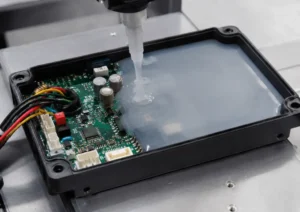
Silicone potting compound is a silicone material used to encapsulate and protect electronic components. It is usually poured around or over components and then cured to form a protective layer.

What is silicone potting compound used for?

It is used for electrical insulation, moisture protection, dust sealing, vibration resistance, stress relief, and environmental protection of electronic components and assemblies.

Why use silicone instead of epoxy for potting?

Silicone remains flexible after curing and can help reduce stress on delicate components. Epoxy is usually harder and more rigid, which may not be ideal for parts exposed to vibration or thermal movement.

Can silicone potting compound be transparent?

Yes, some silicone potting compounds can be translucent or transparent depending on the formulation. This can be useful when visual inspection is needed.

Can silicone potting compound protect electronics from moisture?

Yes, silicone potting compound can help protect components from humidity, condensation, dust, and environmental exposure. The final performance depends on the selected grade and application conditions.

Need a Silicone Potting Compound for Your Electronics Project?

Tell us your application, target hardness, viscosity, cure requirements, and working environment. We can help recommend a suitable RTV silicone potting compound for testing.
WhatsApp

Contact Us Today, Get Reply in 24 hrs!

Your information will be kept strictly confidential.

Topsil Silicone CEO

This is Evan, the Manager of Topsil Silicone. Congratulations on finding a professional supplier!  Pls send your inquiry, and we will contact you within 24 hours.

Free Topsil Silicone Rubber E-book

If you still want to know more about our products,  a detailed E-catalogue can send to you.