Potting & Encapsulation Silicone for Electronics

Silicone Encapsulants & Potting Solutions for Electronics

RTV-2 silicone gels and potting materials for electrical insulation, moisture protection, stress relief and flexible encapsulation of electronic assemblies.
Choose between soft, re-enterable silicone gel and flexible silicone potting compounds according to your component structure, protection requirements and production process.
Potting & Encapsulation Silicone

OVERVIEW

What are silicone encapsulants?

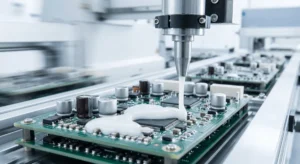
Silicone encapsulants are RTV silicone materials used to protect electronic components, connection points, LEDs, sensors, modules and electrical assemblies. After curing, they form a flexible protective layer that can help provide electrical insulation, moisture resistance, dust protection, stress relief and environmental sealing.

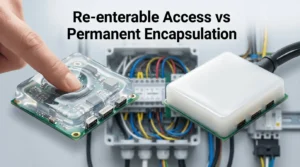
Different applications need different material properties. Some are better suited to soft, re-enterable silicone gel for cushioning and easier maintenance, while others require silicone potting compounds for more stable encapsulation and broader component protection.

Choose the Right Silicone Encapsulation Solution

electronic-silicone-gel

Electronic Silicone Gel

Soft, low-stress protection for electronics that require cushioning, sealing or easier future access.
Silicone gel remains very soft after curing, making it suitable for applications where sensitive components should experience minimal mechanical stress.
Typical applications
Best suited when you need
potting-compound-silicone

Silicone Potting Compound for Electronics

Flexible RTV silicone for encapsulation, electrical insulation and environmental protection of electronic assemblies.
Silicone potting compounds cure into a more defined flexible material and are suitable for applications requiring broader component encapsulation and greater mechanical support than a very soft gel.
Typical applications
Best suited when you need

Silicone Gel vs. Silicone Potting Compound

Choose silicone gel when softness, stress relief and easier re-entry are the priority. Choose silicone potting compound when the assembly needs more defined encapsulation, insulation and mechanical support.
Project RequirementSilicone GelSilicone Potting Compound
Very soft cured materialRecommendedDepending on grade
Minimum stress on sensitive componentsExcellent starting directionGood with softer grades
Easier future re-entryRecommendedMore limited
PCB and module encapsulationApplication-dependentRecommended starting direction
Greater cured mechanical supportLimitedBetter choice
Cable joints and connectorsCommon directionApplication-dependent
Moisture/environmental protectionYesYes
Automatic dispensingGrade-dependentGrade-dependent
Not sure which one fits your project?

Key Benefits of Topsil Electronic Encapsulation Silicone

Flexible Electrical Protection

Silicone encapsulation provides a flexible protective environment around electronic components while supporting electrical insulation requirements.

Low-Stress Encapsulation

Unlike rigid encapsulation systems, flexible silicone can help reduce mechanical stress on sensitive components, solder joints and assemblies during vibration or temperature change.

Flow Around Complex Components

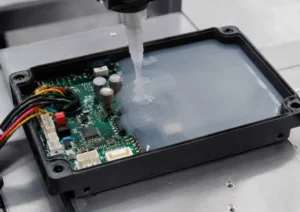
Suitable material viscosity can help the silicone flow around components, wires and confined spaces during potting.

Moisture & Environmental Protection

Proper encapsulation helps reduce exposure to moisture, dust and environmental contamination.

Flexible Cure & Processing Options

Different projects may require different working times, cure profiles, hardness or flow characteristics. Material selection should match the actual production process.

Suitable for Manual or Automated Production

Grade selection can take into account manual processing or meter-mix dispensing requirements such as mix ratio, viscosity, working time and cure schedule.

Typical Electronics Applications

LED Encapsulation_

LED Encapsulation

For LED modules and light components that require flexible protection, sealing, and optical or environmental stability.

PCB Potting_

PCB Potting

For circuit boards that need insulation, moisture protection, vibration resistance, and more stable environmental sealing.

cable accessory kit

Cable Accessories

For cable accessory systems that require insulation, sealing and reliable environmental protection.

electrical connector

Electrical Connectors

For connector protection against moisture ingress, contamination and mechanical stress.

junction-boxes

Sensors

Soft silicone encapsulation can help protect sensitive sensors while minimizing mechanical stress around components.
Electronic Modules_

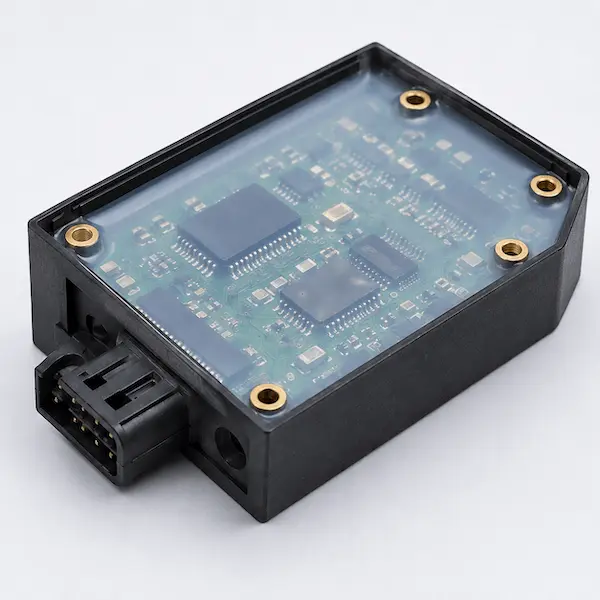
Electronic Modules

For encapsulation and protection of sensitive electrical and electronic assemblies.

Available RTV-2 Silicone Potting Grades

Compare our two-part, platinum-cure silicone potting compounds for electronic insulation and encapsulation. Select a grade based on your requirements for hardness, viscosity, appearance, and mechanical protection.

Technical PropertyTE-8810 Low-Hardness SiliconeTE-8830 General-Purpose Silicone
AppearanceTransparent to translucentGray or white
Cure SystemPlatinum / Addition CurePlatinum / Addition Cure
Mixing Ratio (A:B)1:1 by weight1:1 by weight
Mixed Viscosity at 25°C800 ± 500 mPa·s2,000 ± 500 mPa·s
Working Time at 25°C60–120 min60–120 min
Full Cure at 25°C6–12 hours6–12 hours
Cured HardnessShore A 10 ± 2Shore A 30 ± 2
Typical ApplicationsLow-stress PCB protection, sensors and delicate electronicsGeneral PCB potting, control modules and industrial electronics

Need a Different Viscosity or Cure Profile?

Discuss custom formulation options with Topsil’s technical team.

What Should You Consider Before Choosing a Grade?

Selection FactorWhy It Matters
ViscosityDetermines how easily the silicone flows through component gaps and cavities
Cured HardnessAffects component stress, flexibility and mechanical support
Working TimeMust match manual or automatic dispensing speed
Cure TimeInfluences production throughput and handling
Mix RatioImportant for dispensing equipment and process control
Operating TemperatureShould match continuous and peak service conditions
Electrical RequirementsGrade-specific dielectric properties should meet project requirements
Thermal RequirementsHeat-generating assemblies may require additional thermal-performance evaluation
Color / TransparencyMay matter for inspection, optical or appearance requirements
Send us your target viscosity, hardness, operating temperature and application. We can help shortlist a suitable material direction for testing.

From Sample Testing to Production

Application-Based Recommendation

We first review the component type, required softness, flow, protection target and production process before discussing a suitable silicone direction.

Sample & TDS Support

Technical data and trial samples can be provided to support initial material evaluation before larger-volume purchasing.

Application Testing

We recommend validating the selected silicone in the actual component geometry, dispensing process and operating conditions before mass production.

Production & Supply Support

After material qualification, Topsil can support repeat production requirements and bulk supply.

How We Evaluate Electronic Potting Silicone

A material should not be approved only because it cures successfully in a small cup test. Electronic potting should be evaluated against the actual assembly and production process.
Typical evaluation may include:
Evaluation ItemWhat We Check
A/B mixingRatio and mixing consistency
Flow behaviorFilling around components and cavities
Working timePractical dispensing window
CureCure condition and surface state
Cured materialHardness and flexibility
ProcessManual or automatic dispensing suitability
ApplicationPerformance in actual assembly geometry
Actual specifications and test conditions depend on the selected grade. Final qualification should be carried out under the customer’s real assembly and operating conditions.

Why Work With Topsil Silicone?

15+ Years of RTV-2 Silicone Manufacturing Experience

Application-focused RTV-2 silicone manufacturing and technical support for international industrial customers.

Material Selection Support

We help buyers narrow down suitable silicone directions according to application and processing requirements.

Trial Before Bulk Production

Sample evaluation helps buyers confirm processing behavior and application suitability before larger-volume purchasing.

Technical Documentation

TDS and application guidance are available to support material qualification and purchasing evaluation.

Flexible Project Support

From initial evaluation to repeat industrial orders, our team supports ongoing technical and commercial communication.

Stable Bulk Supply

Manufacturing support is available for repeat and larger-volume requirements after project qualification.

Need a Specific Electronic Potting Property?

Different electronic applications may require different combinations of viscosity, hardness, working time, cure profile, color or temperature performance.
Tell us the target requirements for your project and we can discuss whether an existing grade or another suitable material direction is available for evaluation.

FAQs

What is the difference between silicone gel and silicone potting compound?

Silicone gel is usually softer and more suitable for applications that benefit from cushioning, sealing and easier re-entry. Silicone potting compounds are often used where broader encapsulation and more stable long-term protection are required.

Which silicone should I use for PCB potting?

The suitable grade depends on PCB geometry, component spacing, required viscosity, cured hardness, electrical requirements, operating temperature and production process.
Send us your application details and target specifications for an initial material recommendation.

Can silicone encapsulants be used with automatic dispensing equipment?

Two-part silicone systems may be compatible with meter-mix dispensing equipment when the mix ratio, viscosity, working time and equipment setup are suitable.
The selected material should be validated with the actual dispensing system before production.

Can I test a sample before ordering in bulk?

Yes. Sample and TDS support can be discussed for project evaluation before larger-volume purchasing.

What information should I provide for grade selection?

Please provide your application, target hardness, viscosity or flow requirement, operating temperature, electrical or thermal requirements, dispensing method, cure-time target, color requirement and expected trial quantity.

Tell Us Your Electronic Encapsulation Requirements

Not sure which silicone fits your project?
Send us your application details and target requirements. Our team will help you shortlist a suitable silicone direction for evaluation.
WhatsApp

Contact Us Today, Get Reply in 24 hrs!

Your information will be kept strictly confidential.

Topsil Silicone CEO

This is Evan, the Manager of Topsil Silicone. Congratulations on finding a professional supplier!  Pls send your inquiry, and we will contact you within 24 hours.
Free Topsil Silicone Rubber E-book

If you still want to know more about our products,  a detailed E-catalogue can send to you.