
RTV-2 Silicone Technical FAQs
Find solutions to common silicone mold making problems and improve your production results.

Silicone mold making often involves technical challenges such as bubbles, curing issues, and mold defects. Understanding the root causes is key to improving product quality and efficiency.
This FAQ section provides practical answers based on real RTV-2 silicone applications.
Frequently Asked Questions
What is RTV-2 silicone used for?
Why does silicone have bubbles?
Why is silicone curing too fast or too slow?
How to improve mold durability?
Can silicone be reused?
Common Problem Categories
Mixing Issues
Bubble Issues
Curing Problems
Latest Technical Articles
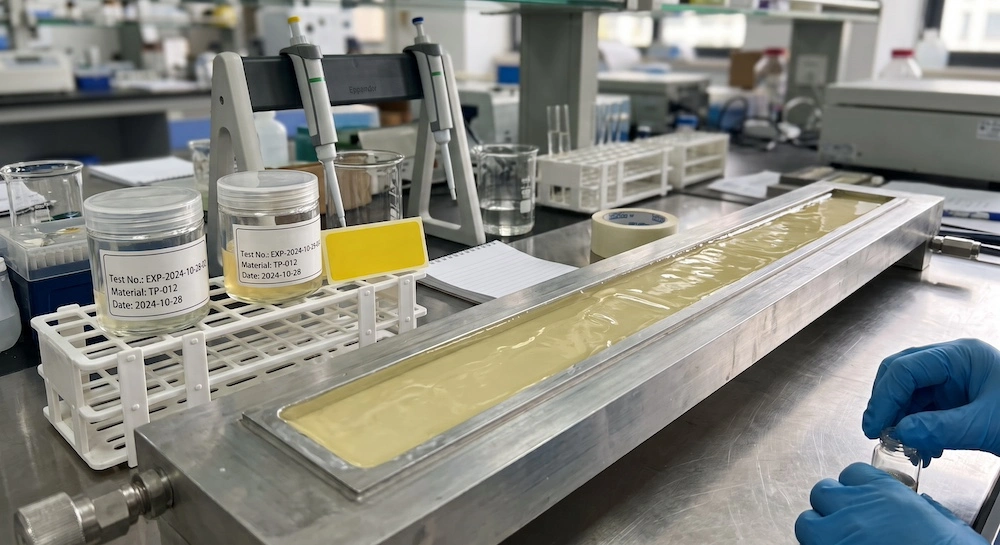
How to Test a Silicone Gel Sample Before HEPA Filter Mass Production
Quick Answer Test a silicone gel sample in three stages:
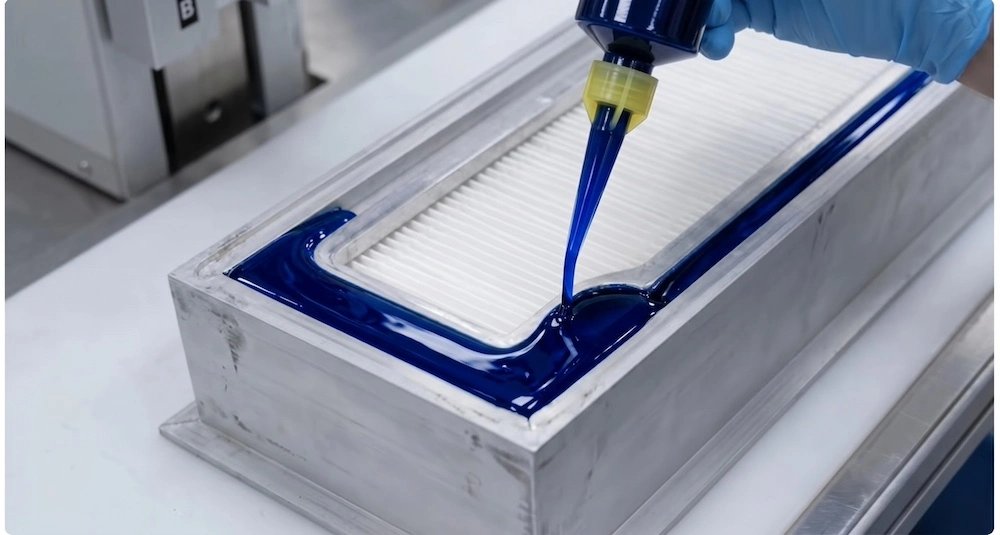
How to Mix and Dispense 1:1 Silicone Gel in HEPA Filter Production
Quick Answer To mix and dispense 1:1 silicone gel for
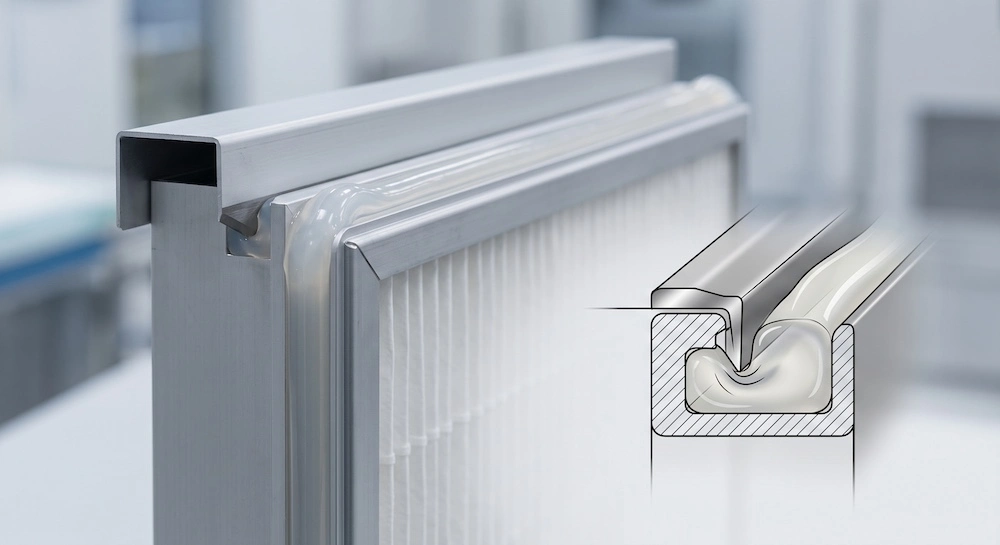
How Much Silicone Gel Do You Need for a HEPA Filter? Calculation Formula and Examples
A 610 × 610 mm HEPA filter does not automatically
Professional RTV-2 silicone manufacturer with strong technical support for mold making and troubleshooting applications.
Industrial-grade quality control ensures stable performance across different production environments.
Custom silicone solutions available to solve specific technical challenges.
Global supply capability for consistent manufacturing support.
Technical FAQs Overview
RTV-2 silicone mold making often involves technical challenges such as curing issues, bubbles, mixing errors, and mold defects. Understanding these problems and their causes helps improve production efficiency and mold quality.
This FAQ section provides practical troubleshooting solutions for resin casting, concrete molds, and industrial silicone applications.
Still facing silicone mold problems?
Contact our technical team for professional RTV-2 silicone troubleshooting support.