
Schnelle Antwort
The choice between the two chemical systems comes down to your primary production driver:
Choose Zinn-Kur if your priority is Volume & Budget: Requires maximum raw material cost-efficiency for large-scale, forgiving geometries (like architectural concrete or plaster) on a busy shop floor.
Choose Platin-Kur if your priority is Technical Precision: Requires near-zero shrinkage (<0.1%), long-term library storage without warping, or strict FDA/LFGB compliance for skin and food contact.
In diesem Leitfaden
Quick Comparison Table: Platinum Cure vs Tin Cure Silicone
| Feature / Metric | Platinum Cure (Addition System) | Tin Cure (Condensation System) |
|---|---|---|
| Linear Shrinkage | Near-zero shrinkage (typically < 0.1%) | Higher shrinkage over time (1% to 2%) |
| Dimensional Longevity | Maintains exact dimensions for years | Tends to shrink and warp after months of archive |
| Library Life (Pour Cycles) | High; exceptional resistance to casting resins | Standard; oil bleeds out faster over multiple pours |
| Purchase Price Per Kilo | Higher upfront raw material investment | Highly cost-effective; maximizes tight project margins |
| Process Sensitivity | High; vulnerable to cure inhibition | Highly forgiving; immune to most substrate contaminants |
| Best-Fit Castings | Precision prototypes, food molds, fine resin jewelry | Architectural concrete, plaster molding, general crafts |
Choose Based on Project Realities, Not Per-Kilo Pricing
The biggest buying mistake a factory can make is assuming that a lower price per kilo automatically translates to a lower total cost of production.
If you choose a cheap tin-cure silicone for a high-precision aerospace prototype, the resulting dimensional shrinkage will cause your finished parts to fail quality control inspection—instantly wiping out any raw material savings through high scrap rates and emergency mold remakes. Conversely, overpaying for premium platinum-catalyzed silicone to cast simple, low-margin plaster ornaments needlessly eats into your business margins.
The wrong silicone is always expensive, no matter how cheap the invoice looks.
Deep Dive: Platinum-Cure (Addition) Systems
Platinum-cure silicone operates on an addition-elimination cross-linking mechanism. When Part A and Part B are combined, the molecular chains lock together perfectly with zero volatile byproducts left behind. What you pour into the mold box is exactly what you get after vulcanization.
When It Makes Definitive Sense:
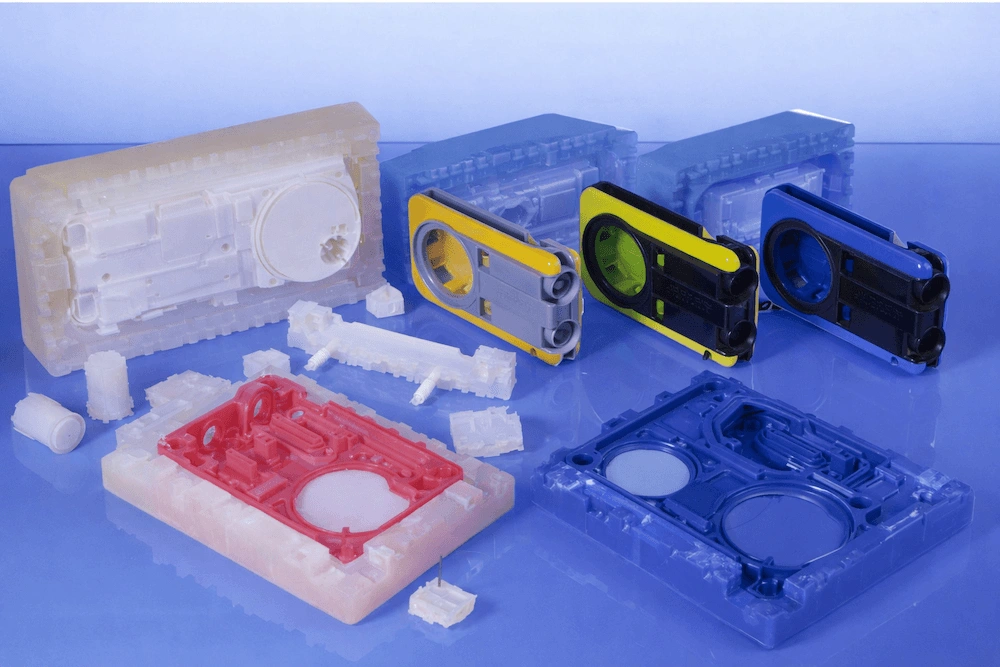
- Precision Prototyping & Vacuum Casting: When replicating engineering prototypes where a tolerance variance of even 0.5mm causes assembly failure, platinum’s sub-0.1% shrinkage is non-negotiable.
- Premium Production Resin Molds: High-end polyurethane and epoxy casting resins chemically attack silicone. Platinum formulas resist this chemical degradation far longer, extending the library life of your production assets.
- Certified Skin & Food-Contact Applications: Because it releases no chemical byproducts during vulcanization, high-purity platinum systems are the only choice for baking molds, medical devices, and skin-safe special effects.


The Technical Hurdle:
Platinum systems reward clean, controlled production environments. They are highly vulnerable to Heilungshemmung. If the uncured liquid touches contaminants like sulfur (found in cheap modeling clays), latex gloves, tin residues, or certain SLA 3D-printing resins, the chemical reaction stalls out completely, leaving you with a permanently sticky, uncured mess.
Still not sure which silicone grade fits your application?
Tell us your casting material, target hardness, working time, and expected use. Topsil will help recommend a suitable RTV-2 silicone grade for sample testing.
Deep Dive: Tin-Cure (Condensation) Systems
Tin-cure silicone operates on a condensation-cure mechanism. As the material cross-links at room temperature, it continually releases a low-molecular-weight alcohol byproduct into the atmosphere. As this alcohol slowly evaporates out of the rubber matrix over subsequent weeks, the mold experiences continuous, gradual linear shrinkage (often hitting 1% to 2%).
When It Makes Definitive Sense:
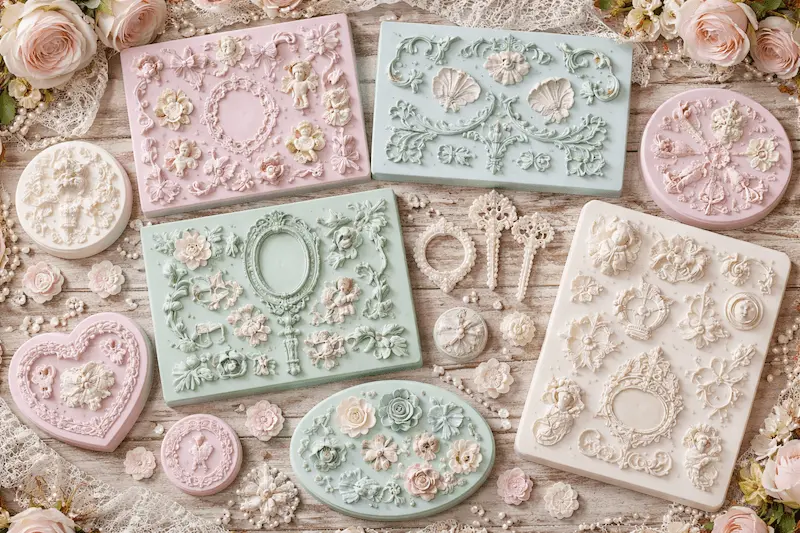
- Mass Architectural Castings: For replicating rough-cut stone veneer panels, large concrete tile molds, and massive gypsum plaster cornices, a 1.5% shrinkage variance is completely invisible to the naked eye. Tin-cure delivers immense savings here.
- Challenging Workshop Environments: If your factory floor is humid, dusty, or uses master models carved from raw timbers, sulfur clays, or budget plastics, tin-cure is your best workhorse. It is incredibly tolerant of surface contamination and will cure flawlessly where platinum fails.
- Short-Run, Seasonal Production: If you are running a seasonal product line where the molds will be retired or redesigned within a few months, tin-cure prevents you from over-investing in raw material capital.
The Real Formula: Price Per Kilo vs. Real Mold Cost
When balancing your procurement ledger, your engineering team must look beyond the initial purchase price of the silicone liquid. To find your true Total Mold Cost, run your projections through this four-step checklist:
- What is the Target Turnaround? If a mold needs to handle 300+ structural resin pours before splitting, platinum’s chemical resistance often outlasts tin-cure by a factor of three, making it cheaper per part produced.
- What are the Archive Requirements? If a customer expects you to store their product mold in your archive library and pull it out two years later for an identical repeat order, tin-cure will have shrunk out of specification. Platinum locks in dimensional memory indefinitely.
- What is the Local Process Capability? If your shop techs are accustomed to rapid mixing without strict climate controls or clean-room separations, forcing a sensitive platinum system onto the line can trigger high material waste through catalyst poisoning.
Fast Decision Matrix for Buyers
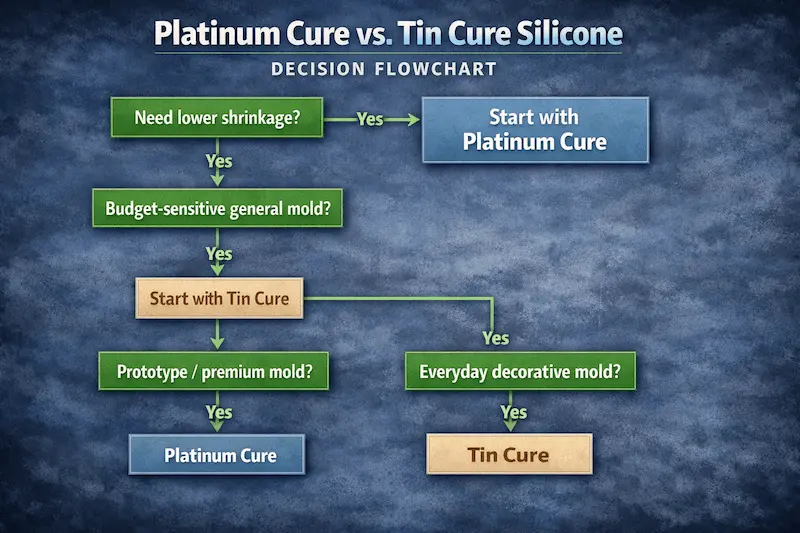
Specify Platinum Cure If:
- You require a linear shrinkage rate tight to 0.1% or less.
- The mold must remain stable in storage for years without warping.
- You are casting highly aggressive polyurethane or epoxy resins.
- The application requires explicit FDA, LFGB, or medical-grade compliance.
- Your factory line can guarantee a clean environment free of sulfur and latex contaminants.
Specify Tin Cure If:
- Maximizing upfront raw material margins is your primary business driver.
- The mold geometry is forgiving (e.g., stone textures, architectural plasters, simple crafts).
- Your master models are made of unknown, unsealed, or potentially reactive substrates.
- The production run is short, and the molds will be retired within a single season.
- You need a simple, forgiving 100:2 to 100:5 mixing profile that tolerates minor measurement variances.
FAQs
Final Words
If your project sits in the high-spec, high-precision, or regulatory-compliant tier, Platinum-Cure Silicone rewards your business with flawless engineering accuracy. If your line focuses on rugged, large-scale, cost-driven decorative casting, Tin-Cure Silicone provides an unmatched operational shield for your bottom line.
Are you preparing a new product pilot run? Share your target casting material, mold lifecycle requirements, and workshop setup with TOPSIL’s chemical application team today. We will help you select the exact shore hardness and catalyst system to maximize your factory output.
RECOMMENDED NEXT STEP
Choosing the right silicone involves more than just hardness or cure system.
Send us your application details, and we’ll map out the exact grade for your testing.
Compare RTV-2 Silicone Grades