
When your silicone rubber supplier increases prices, delays delivery or fails to keep batch consistency, your customers do not blame the supplier — they blame you.
That is why many distributors, private label brands and bulk buyers do not wait until a supply problem happens. They qualify a second-source silicone rubber manufacturer in advance.
But a second source is not just a cheaper supplier.
The right second-source manufacturer should help you reduce supply risk, protect your margin, support stable product quality and build a stronger silicone rubber product line — without creating new quality problems.
This guide explains how to evaluate a second-source silicone rubber manufacturer before you start testing.
Why Distributors and Bulk Buyers Need a Second Source
Relying on only one silicone rubber supplier may work when everything is stable. But once price, lead time or quality changes, your business can be exposed quickly.
You may need a second-source supplier if:
- Your current supplier keeps increasing prices
- Lead time becomes unstable
- Popular grades are often out of stock
- Batch consistency becomes difficult to control
- Your customers ask for more hardness or cure system options
- Your margin is getting smaller
- You want to add private label silicone products
- You want a backup China factory source before supply problems happen
A second source gives you more control. It helps you avoid being locked into one supplier, one price structure or one product range.
A Second Source Is Not Just a Cheaper Supplier
Choosing a backup supplier only because the price is lower can be risky.
A low price does not help if the silicone cures differently, tears too early, has unstable viscosity or creates customer complaints.
A good second-source silicone rubber manufacturer should help you answer three questions:
- Can this supplier match my application requirements?
- Can this supplier keep quality stable from sample to bulk order?
- Can this supplier support my long-term product line, not just one urgent order?
The goal is not to replace your current supplier immediately.
The goal is to qualify a safer supply option before you need it urgently.
7 Checks Before Choosing a Second-Source Silicone Rubber Manufacturer
1. Product Range: Can They Support More Than One Grade?
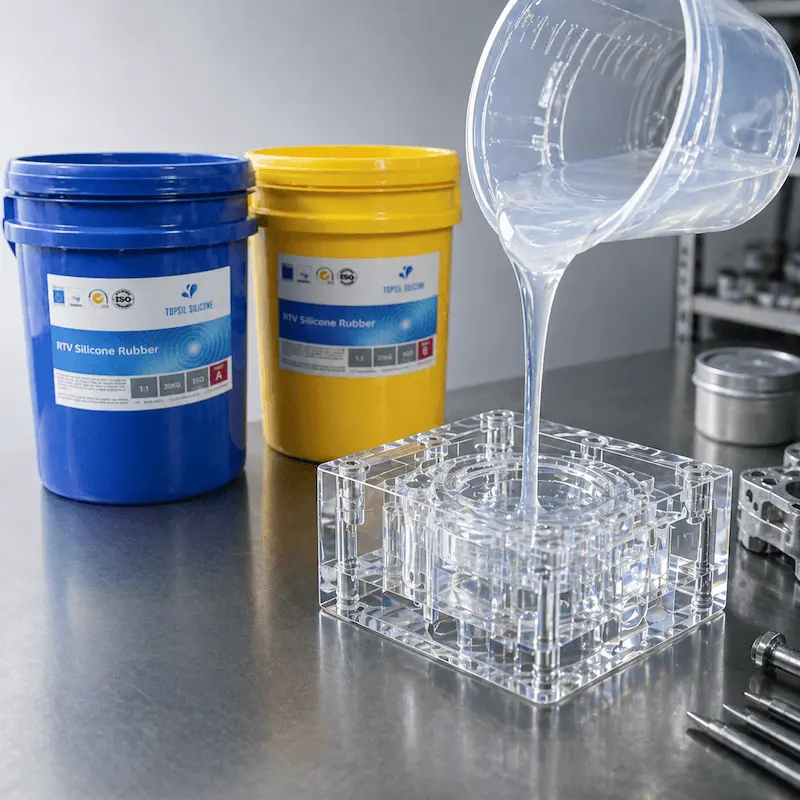
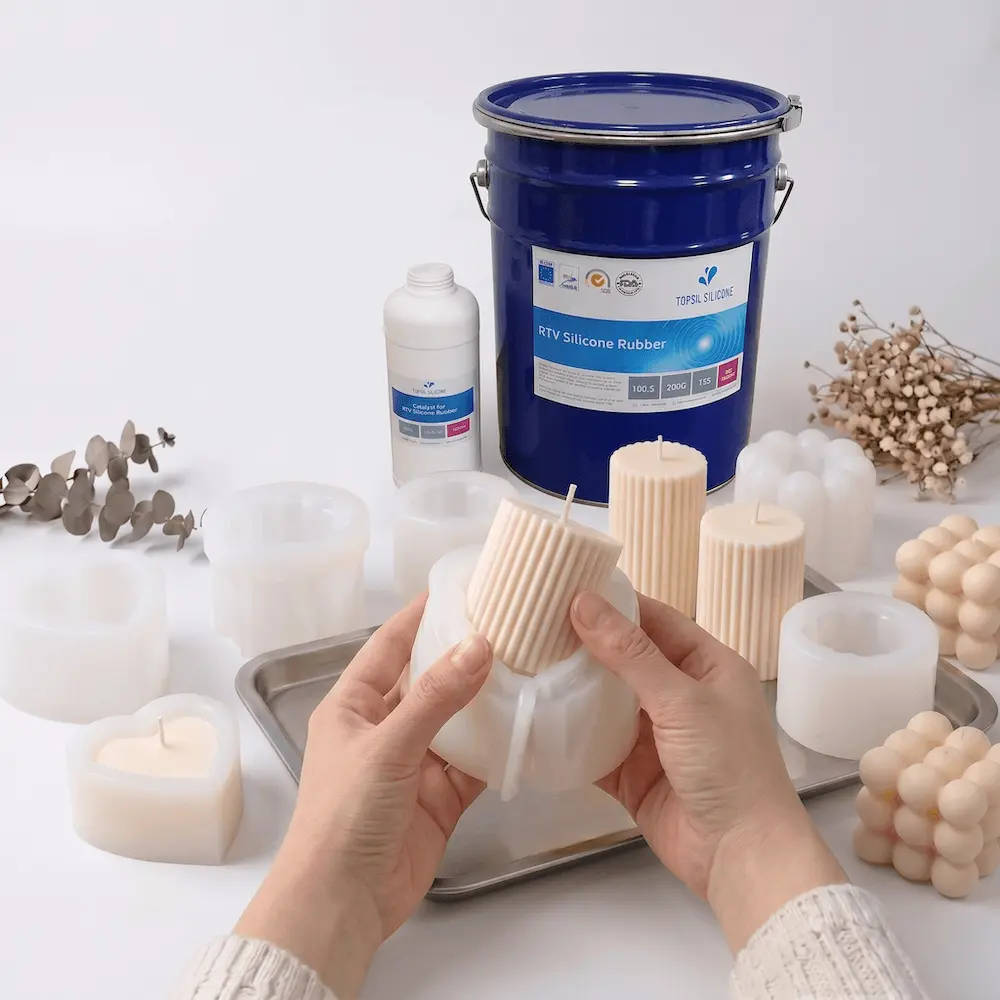
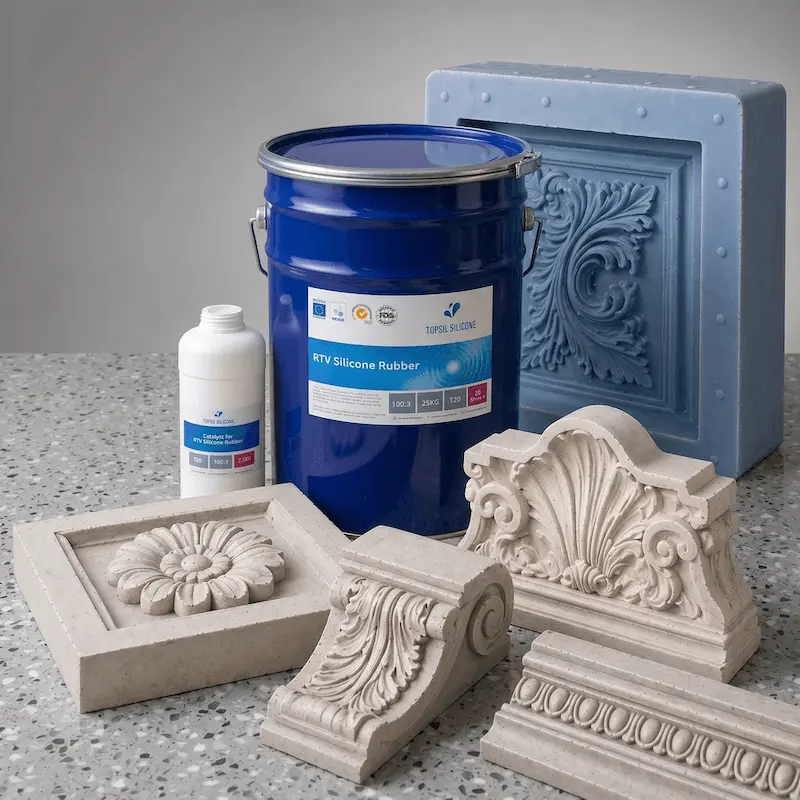
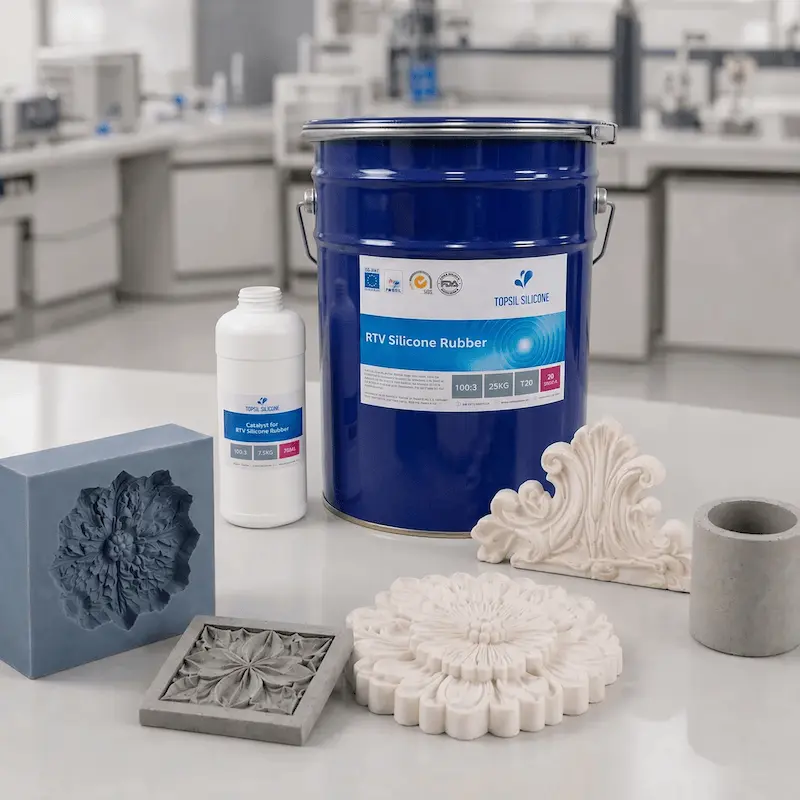
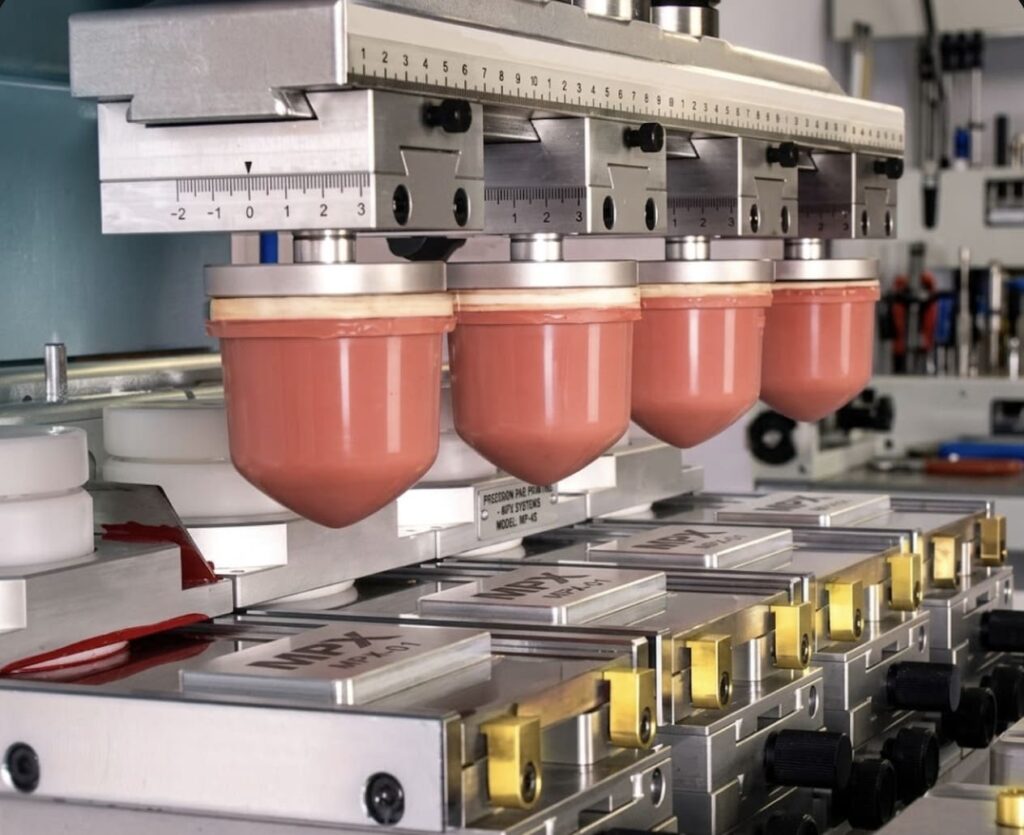
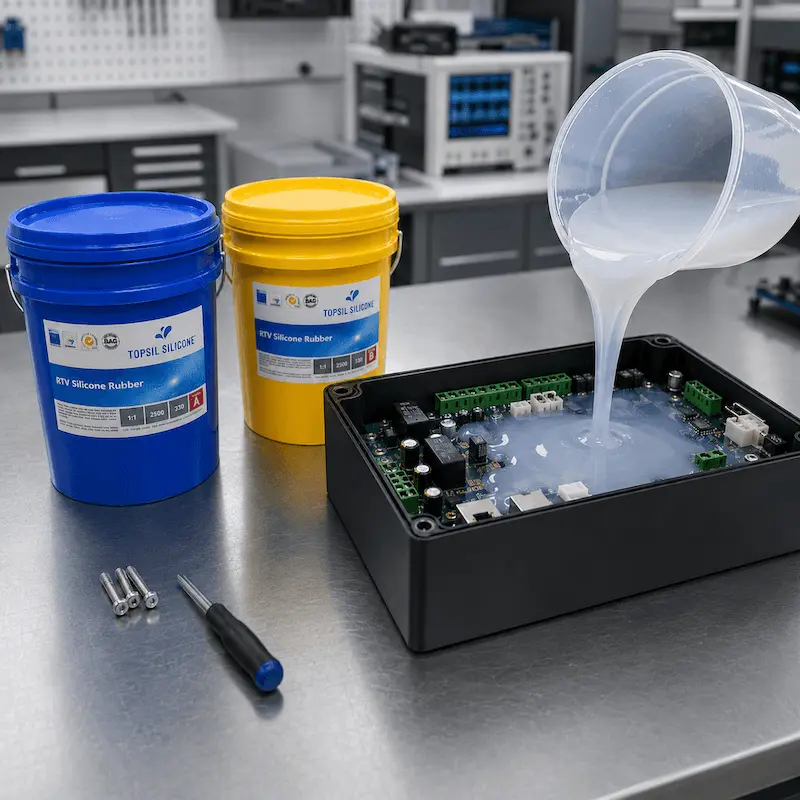
A serious second-source manufacturer should not only offer one general-purpose silicone rubber grade.
Distributors and bulk buyers usually need different cure systems, hardness levels, viscosities, working times and application-focused grades.
A practical RTV-2 silicone rubber range may include:
- Tin cure silicone for general mold making
- Platinum cure silicone for low-shrinkage and precision molds
- Clear or translucent silicone for premium mold applications
- Silicone for concrete, GRC, GRG and GFRC molds
- Pad printing silicone for industrial printing pads
- Electronic potting silicone or silicone gel for sealing and insulation
- Soft silicone options for insoles and orthotic applications
A wider product range helps distributors serve more customer groups and fill catalog gaps.
2. Batch Consistency: Can They Keep Quality Stable?
For RTV-2 silicone distributors, unstable quality is often more expensive than a higher purchase price.
One inconsistent batch can lead to repeated complaints, returns or lost customer trust.
Before choosing a second-source supplier, check whether they can control:
- 쇼어 A 경도
- Viscosity range
- 근무 시간
- 경화 시간
- 인열 강도
- 신장
- Color and appearance
- Shelf life
- COA and batch records
A reliable second-source supplier should reduce risk, not create new uncertainty.
3. Grade Matching: Do They Recommend by Application?
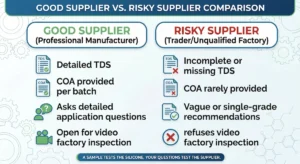
A weak supplier sends a price list.
A better supplier asks about your application first.
The right silicone rubber grade depends on:
- 애플리케이션
- 주조 재료
- 금형 크기
- Target hardness
- Demolding difficulty
- 필수 근무 시간
- Curing condition
- 예상 금형 수명
For example, large concrete molds may need higher tear strength. Precision prototype molds may need lower shrinkage. Food mold applications may require selected platinum cure silicone options and document support.
A second-source manufacturer should help you choose the right grade before testing the wrong one.
4. Sample-to-Bulk Process: Can They Help You Test Safely?
A reliable second-source supplier should not push you into a full bulk order before the grade is validated.
A safer process looks like this:
- Application review
- Grade recommendation
- 샘플 테스트
- Small trial order
- Customer feedback
- Regular stock or bulk supply
For distributors, this process is important because your customers may use silicone rubber in different ways.
A grade that works for small resin molds may not be suitable for large concrete molds.
A grade that works for general mold making may not be the best choice for precision molds.
Testing step by step reduces risk.
5. Documents: Can They Support Your Sales Team?
For distributors and professional buyers, technical documents are part of the selling process.
Before adding a second-source silicone rubber manufacturer, check whether they can provide:
- TDS
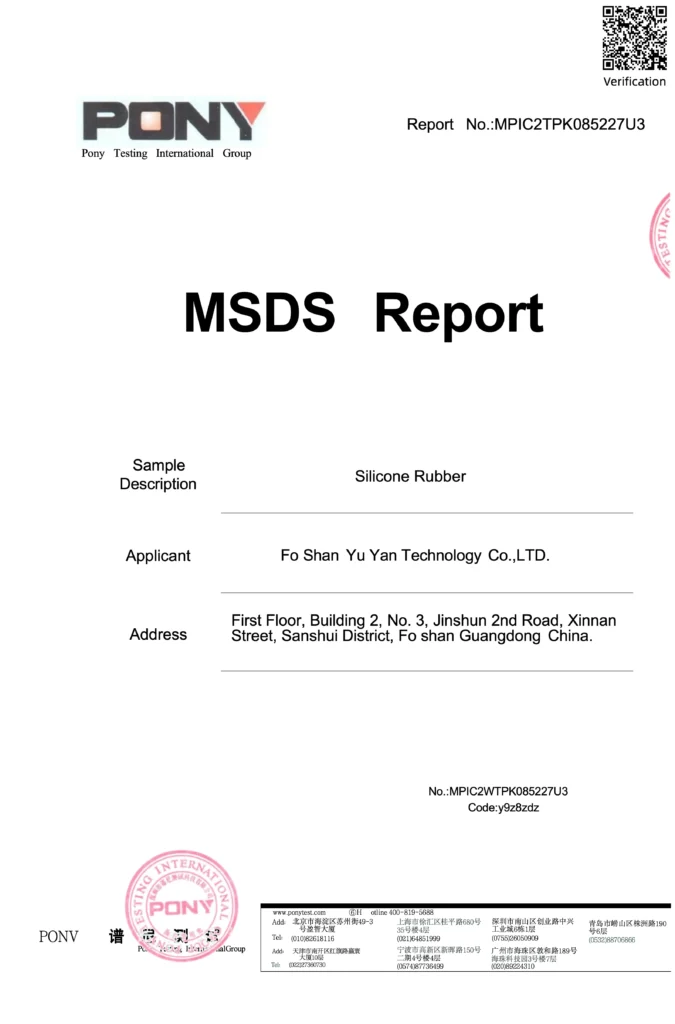
- MSDS
- COA
- 제품 카탈로그
- Processing notes
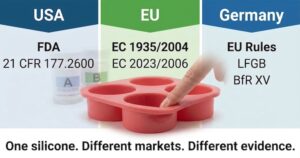
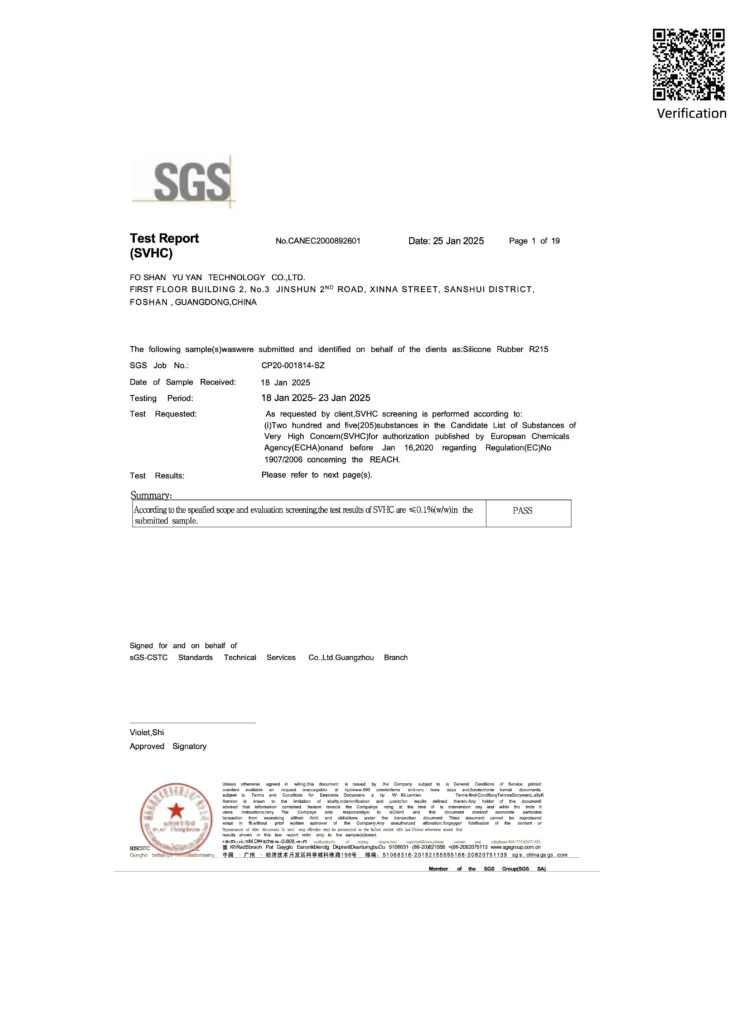
- REACH-related documents when applicable
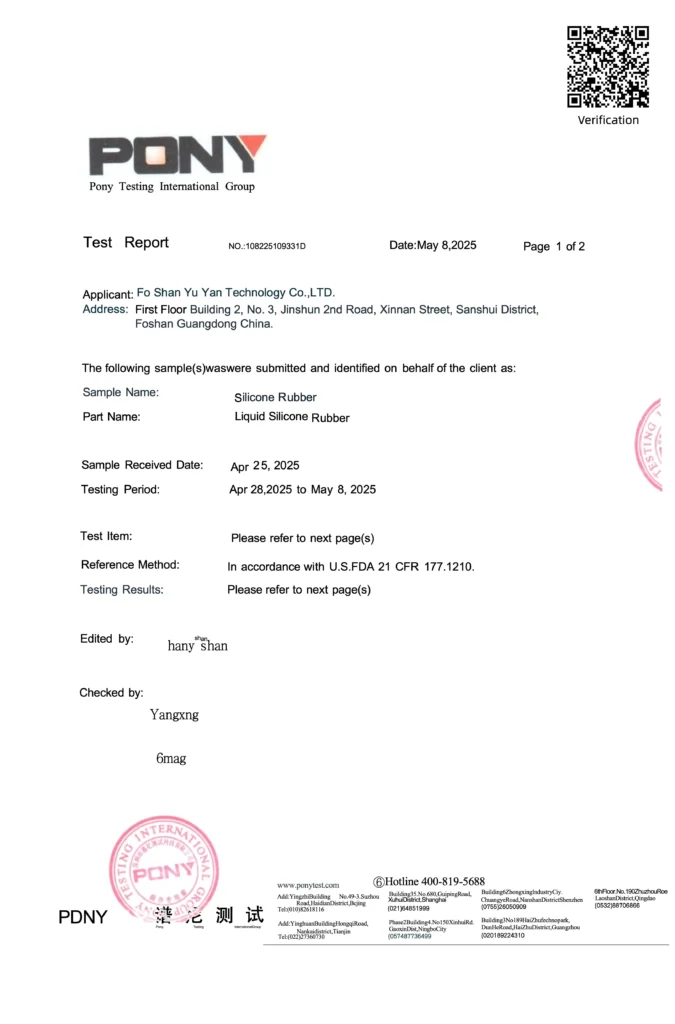
- FDA-related documents for selected applications when applicable
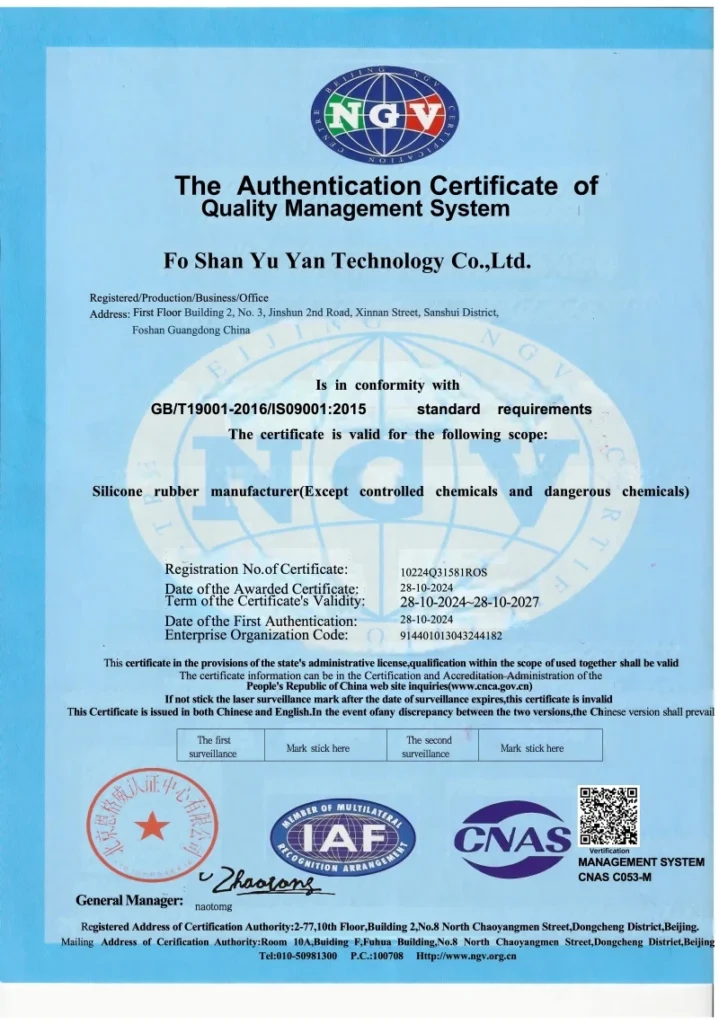
Clear documents help your sales team answer customer questions faster and support professional buyers with more confidence.
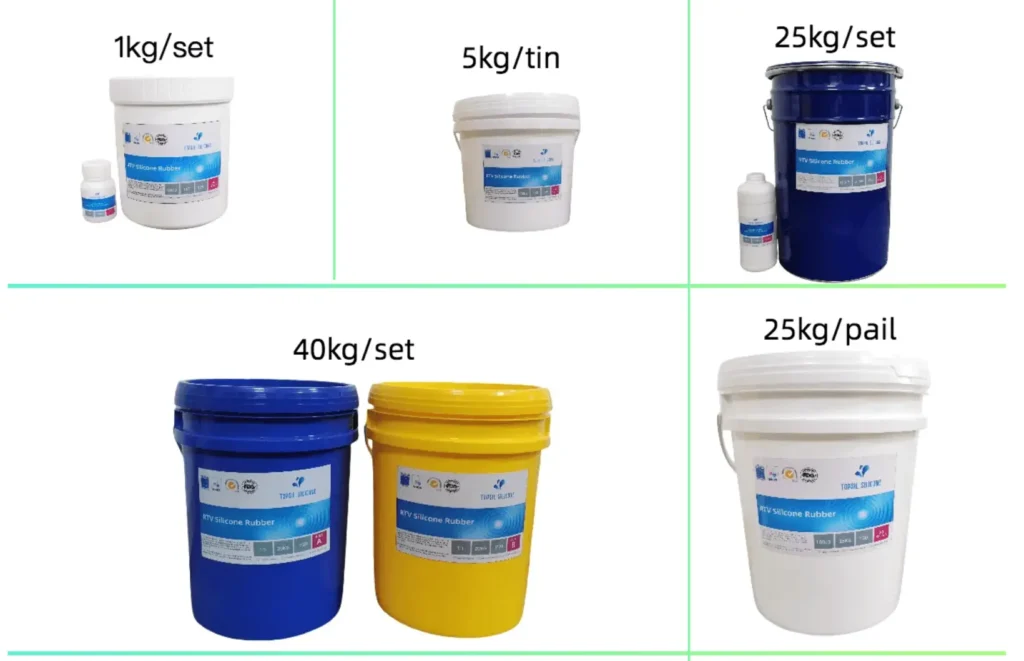
6. Packaging: Can They Fit Your Sales Model?
Different markets need different packaging.
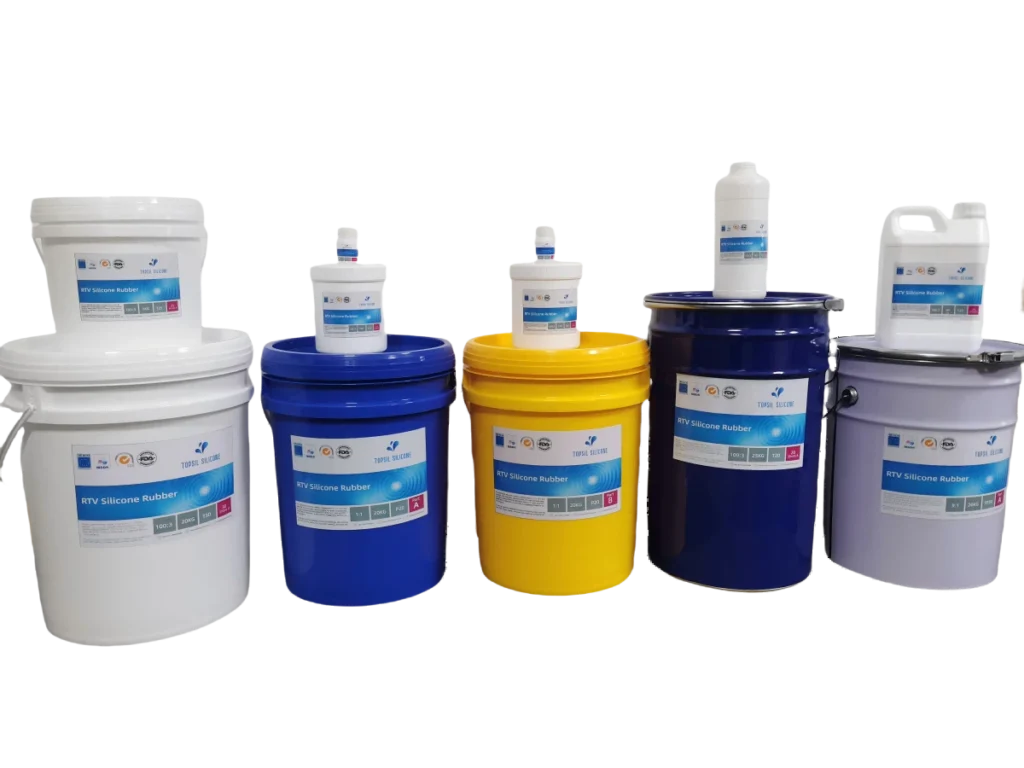
A distributor may need small packs for sample testing, pails for regular stock and drums for industrial users.
| Buyer Stage | Common Packaging | 목적 |
| 샘플 테스트 | 1kg / sample pack | Initial evaluation |
| Customer trial | 5kg / 20kg / 25kg | Market testing |
| Distributor stock | 20kg / 25kg 통 | Regular sales |
| Industrial users | 200kg 드럼 | Bulk supply |
| Private label | 사례별로 논의하기 | Brand development |
A good supplier should support your sales model instead of forcing every buyer into one fixed packaging option.
7. Long-Term Supply: Can They Become a Real Second Source?
A second-source supplier should not only solve one urgent order.
더 좋은 질문은:
Can this manufacturer help your business grow over time?
A strong second-source partner should support:
- Product range expansion
- Stable repeat supply
- Grade comparison
- Sample-to-bulk cooperation
- Technical troubleshooting
- Distributor stock planning
- Private label discussions
- Long-term cost control
The right second source is not just a backup. It can become a long-term supply-chain advantage.
Are you a distributor, importer, or bulk buyer?
Send us your current product range, target applications, and packaging needs. Topsil will recommend suitable RTV-2 silicone grades for your market.
Common Mistakes When Choosing a Backup Silicone Rubber Supplier
Many buyers make the same mistakes when looking for a second-source silicone rubber manufacturer.
Mistake 1: Choosing Only by Price
A lower price is attractive, but it should not be the only reason to test a new supplier.
If quality is unstable, the real cost may come from complaints, returns, and lost customer trust.
Mistake 2: Testing Only One Random Grade
One sample does not represent a supplier’s full capability.
A better approach is to share your application and ask the manufacturer to recommend 2–4 suitable grades for comparison.
Mistake 3: Ignoring Batch Consistency
A sample may look good, but distributors need a stable, repeat supply.
Always check whether the supplier can maintain consistency from sample to trial order and from trial order to bulk supply.
Mistake 4: Skipping Technical Documents
Without TDS, MSDS, COA or processing notes, your sales team may struggle to support professional customers.
Documents are not just paperwork. They are part of a distributor selling.
Mistake 5: Choosing a Supplier Without Technical Support
If the supplier only talks about price and lead time, your team may still carry all technical risk.
A good second-source manufacturer should help explain curing problems, bubbles, tearing, shrinkage, hardness selection and grade comparison.
What Information Should You Send Before Testing?
To get a better silicone rubber recommendation, prepare these details before asking for samples:
- Current silicone grade or supplier data
- Target Shore A hardness
- Viscosity requirement
- Working time and curing time
- 애플리케이션
- 주조 재료
- Mold size or part size
- Current problem, if any
- Packaging preference
- Expected quantity
- Required documents
The more specific your information is, the easier it is for the manufacturer to recommend suitable test grades.
Second-Source Supplier Evaluation Checklist
Use this checklist before choosing a new silicone rubber manufacturer.
| Key Check | 중요한 이유 |
| Product range | Supports more customer applications |
| Batch consistency | Reduces complaints and returns |
| Grade matching | Lowers testing risk |
| Sample-to-bulk path | Avoids risky bulk orders |
| Documents | Supports distributor sales |
| Packaging options | Fits different sales models |
| Technical support | Helps solve real customer problems |
| Long-term supply | Makes the second source useful |
A qualified second-source supplier should perform well in most of these areas, not only offer a lower price.
자주 묻는 질문
Should I replace my current supplier or only qualify a backup source?
Not necessarily. Many distributors first qualify a second-source silicone rubber manufacturer through sample testing and small trial orders before moving to regular stock or bulk supply.
What data should I send before testing a second-source grade?
Useful information includes current product data, target hardness, viscosity, working time, curing time, application, casting material, packaging needs and expected order quantity.
How do I reduce risk when testing a new silicone rubber manufacturer?
Start with application-based grade recommendation, sample testing and small trial orders. Do not move directly to bulk supply before the grade is validated under real conditions.
Can a China silicone rubber manufacturer be a reliable second source?
Yes, if the manufacturer can provide stable quality, technical documents, application-based grade matching, sample support, clear communication and a practical sample-to-bulk process.
RECOMMENDED NEXT STEP
Looking for a China RTV-2 silicone manufacturer for distributor or bulk supply?
Topsil supports tin cure and platinum cure RTV-2 silicone, sample testing, technical documents and bulk supply for distributors and importers.
Ask for Distributor Sample Kit