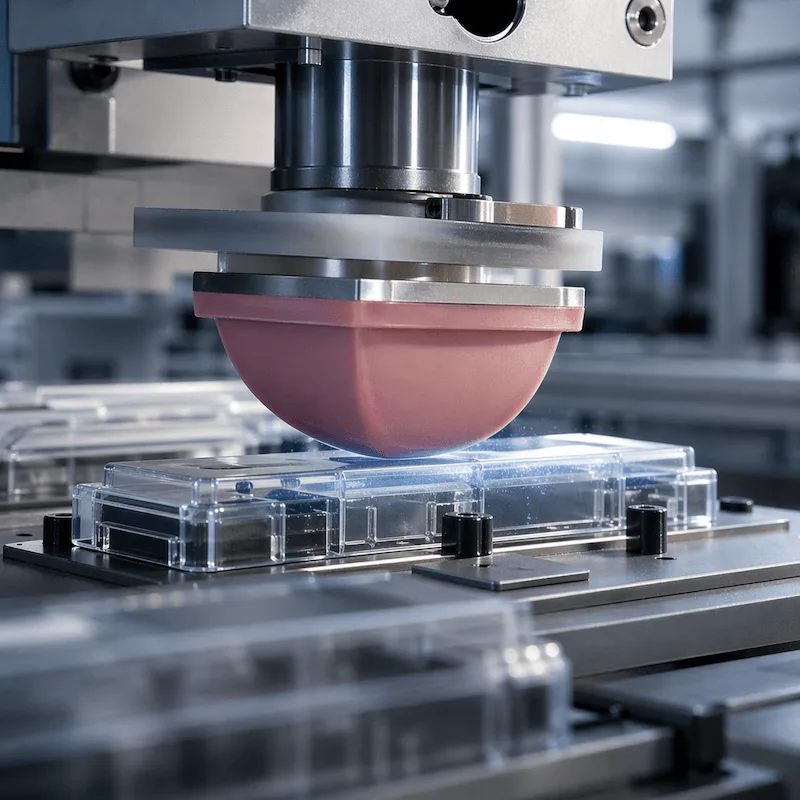
antistiatic-pad-printing-silicone (1)

정전기 방지 패드 인쇄 실리콘

RTV-2 pad printing silicone for static-sensitive substrates and dry-condition production. Built for more stable transfer, better anti-static behavior, and longer pad life in real industrial printing work.

If your current pad performs inconsistently on ABS, acrylic, polystyrene, or other sensitive plastic parts, an antistatic grade may be a better starting point than a standard pad compound.

리드 타임:

3-7일

MOQ:

100kg

샘플:

무료

H.S 코드:

39100000

Where This Product Works Best

Antistatic pad printing silicone is most relevant when the printing process is affected by static-sensitive substrates, dry production conditions, or unstable transfer behavior.

ABS printing

ABS printing

Stable transfer for ABS parts affected by static.

Acrylic printing

Acrylic printing

Better print consistency on sensitive acrylic surfaces.

Dry workshop or dry seasonal production

Dry workshop or dry seasonal production

A practical option for more static-sensitive PS printing.

Polystyrene printing

Polystyrene printing

Suitable for delicate housings where transfer stability matters.

Sensitive plastic housings

Sensitive plastic housings

Helps support more stable printing in dry conditions.

Long-run printing where pad life matters

Long-run printing where pad life matters

Built for repeat production where pad life and consistency matter.

Why Buyers Choose Antistatic Pad Printing Silicone

Better Anti-Static Performance

This product direction is used when static charge affects transfer behavior, print stability, or substrate response. It is especially relevant when standard pads become less predictable on static-sensitive parts.

More Stable Transfer on Sensitive Surfaces

WACKER publicly positions anti-static variants for industrial printing on sensitive materials, which supports this product direction for more demanding printing environments.

Good Tear Strength and Longer Pad Life

Public product pages also position antistatic pads around high tear strength, long life, and durable but flexible performance, not just charge control alone.

등급을 선택하는 더 나은 방법

Before choosing a pad silicone, do not start with “Which hardness do you have?” Start with what the pad must solve in the real printing environment.

For ABS, Acrylic, or Polystyrene Printing

If the target substrate is known to be more static-sensitive, anti-static behavior matters first. Standard pad compounds may still work, but not with the same process stability in difficult conditions.

For Sensitive or Quality-Critical Printing Work

If the customer needs more stable transfer on sensitive materials, anti-static variants are positioned by public supplier literature for this kind of printing environment.

For Long-Run Industrial Printing

If the pad is used repeatedly in production, tear strength and pad life matter first. A pad that solves the static problem but fails too quickly is still the wrong solution. Public supplier pages explicitly pair antistatic performance with long service life.

For Dry-Condition Production

If the process becomes less stable in dry weather or dry workshops, environmental static may be part of the real issue. In these cases, anti-static pad direction matters earlier than generic pad softness.

How to Decide

현실에서 흔히 저지르는 실수

대형 건축용 텍스처 몰드는 실리콘이 전체적으로 너무 약해서 실패하는 경우가 많습니다. 금형 크기에 비해 그레이드가 너무 부드러우면서도 반복적인 탈형 응력에 직면하기 때문에 실패하는 경우가 많습니다.
그렇기 때문에 콘크리트 몰드 실리콘은 부드러움이나 가격만 보고 선택할 것이 아니라 몰드 크기 + 텍스처 깊이 + 생산 빈도에 맞춰 선택해야 합니다.

Built for Buyers Who Need More Than One Good Test

This product direction is suitable for:

pad printing material distributors

industrial printing consumables suppliers

pad makers

manufacturers printing on static-sensitive plastics

importers building a broader pad printing silicone line

For commercial buyers, the value is not only anti-static performance. The value is having a more application-specific solution for customers who need better transfer stability and longer useful pad life.

자주 묻는 질문

What is antistatic pad printing silicone used for?

It is used for printing pad production where anti-static behavior, stable transfer, and better performance on static-sensitive materials or dry-condition environments matter. Public supplier materials specifically associate it with substrates such as ABS, polystyrene, and acrylic.

When should I consider antistatic pads instead of standard pads?

 A common starting point is when printing is affected by high-static substrates, dry workshop conditions, or static-related issues such as unstable transfer or spider webbing.

Does antistatic pad printing silicone also help with pad life?

Public product pages indicate that anti-static pads are often positioned not only for anti-static performance, but also for high tear strength, long life, and durable flexible performance.

Can this product direction be relevant for sensitive materials?

Yes. Public supplier literature explicitly mentions anti-static variants for sensitive materials and industrial pad printing applications where process quality matters.

Can you recommend a suitable grade for my process?

Yes. Share your substrate type, environment, and current printing issue, and we can help review a more practical starting direction.

여기로 문의해 주시면 가장 적합한 제품과 가격을 보내드립니다!

탑실리콘이 여러분을 도울 수 있다고 확신합니다!

아래 양식을 작성해 주시면 귀사의 비즈니스, 요구사항 및 기대치를 파악할 수 있습니다:

WhatsApp

지금 바로 문의하고 24시간 내에 답변을 받으세요!

회원님의 정보는 엄격하게 기밀로 유지됩니다.

Topsil Silicone CEO

Topsil Silicone의 매니저인 에반입니다. 전문 공급업체를 찾으신 것을 축하드립니다! 문의 사항을 보내주시면 24시간 이내에 연락드리겠습니다.

무료 Topsil Silicone 고무 전자책

제품에 대해 더 자세히 알고 싶으시면 자세한 전자 카탈로그를 보내드릴 수 있습니다.