- +86 18923498815
- [email protected]
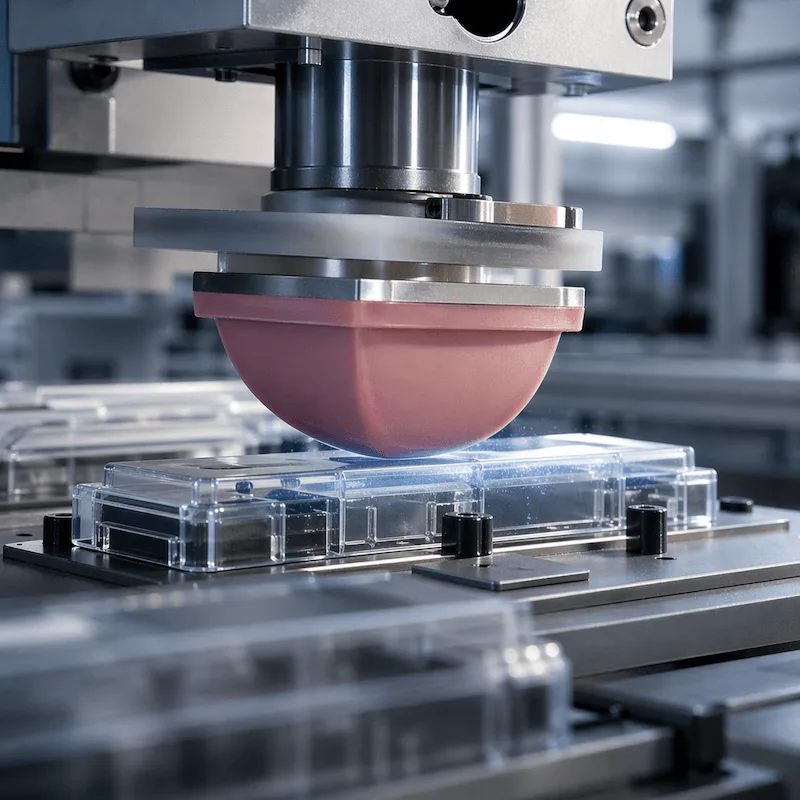
RTV-2 pad printing silicone for static-sensitive substrates and dry-condition production. Built for more stable transfer, better anti-static behavior, and longer pad life in real industrial printing work.
If your current pad performs inconsistently on ABS, acrylic, polystyrene, or other sensitive plastic parts, an antistatic grade may be a better starting point than a standard pad compound.
Lead Time:
3–7 Days
MOQ:
100kg
Sample:
Free
H.S Code:
39100000
Antistatic pad printing silicone is most relevant when the printing process is affected by static-sensitive substrates, dry production conditions, or unstable transfer behavior.

Stable transfer for ABS parts affected by static.

Better print consistency on sensitive acrylic surfaces.

A practical option for more static-sensitive PS printing.

Suitable for delicate housings where transfer stability matters.

Helps support more stable printing in dry conditions.

Built for repeat production where pad life and consistency matter.
This product direction is used when static charge affects transfer behavior, print stability, or substrate response. It is especially relevant when standard pads become less predictable on static-sensitive parts.
WACKER publicly positions anti-static variants for industrial printing on sensitive materials, which supports this product direction for more demanding printing environments.
Public product pages also position antistatic pads around high tear strength, long life, and durable but flexible performance, not just charge control alone.
Before choosing a pad silicone, do not start with “Which hardness do you have?” Start with what the pad must solve in the real printing environment.
If the target substrate is known to be more static-sensitive, anti-static behavior matters first. Standard pad compounds may still work, but not with the same process stability in difficult conditions.
If the customer needs more stable transfer on sensitive materials, anti-static variants are positioned by public supplier literature for this kind of printing environment.
If the pad is used repeatedly in production, tear strength and pad life matter first. A pad that solves the static problem but fails too quickly is still the wrong solution. Public supplier pages explicitly pair antistatic performance with long service life.
If the process becomes less stable in dry weather or dry workshops, environmental static may be part of the real issue. In these cases, anti-static pad direction matters earlier than generic pad softness.
This product direction is suitable for:
pad printing material distributors
industrial printing consumables suppliers
pad makers
manufacturers printing on static-sensitive plastics
importers building a broader pad printing silicone line
For commercial buyers, the value is not only anti-static performance. The value is having a more application-specific solution for customers who need better transfer stability and longer useful pad life.
It is used for printing pad production where anti-static behavior, stable transfer, and better performance on static-sensitive materials or dry-condition environments matter. Public supplier materials specifically associate it with substrates such as ABS, polystyrene, and acrylic.
A common starting point is when printing is affected by high-static substrates, dry workshop conditions, or static-related issues such as unstable transfer or spider webbing.
Public product pages indicate that anti-static pads are often positioned not only for anti-static performance, but also for high tear strength, long life, and durable flexible performance.
Yes. Public supplier literature explicitly mentions anti-static variants for sensitive materials and industrial pad printing applications where process quality matters.
Yes. Share your substrate type, environment, and current printing issue, and we can help review a more practical starting direction.
We definitely believe Topsilsilicone can help you!
We’d love to learn your business, requirements & expectations, just fill in the form below:
Your information will be kept strictly confidential.

This is Evan, the Manager of Topsil Silicone. Congratulations on finding a professional supplier! Pls send your inquiry, and we will contact you within 24 hours.