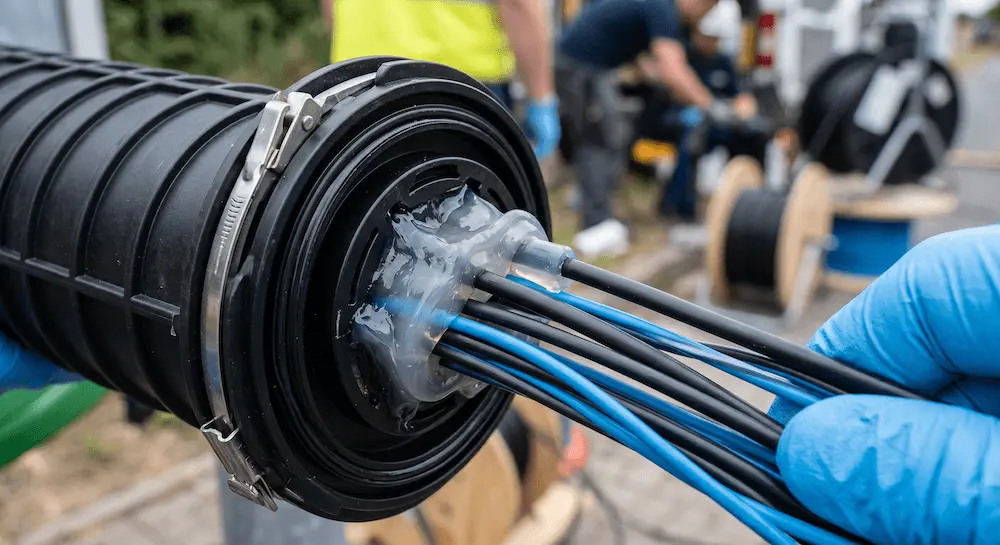

In cable closure and cable accessory applications, sealing failure often starts at the cable entry point.
A soft silicone gel that feels good in a sample cup may still fail in a real cable closure if it does not match the cable diameter range, entry port geometry, sealing cavity, compression space or installation method.
For cable closure manufacturers, telecom accessory suppliers and electrical cable accessory producers, choosing the right soft silicone gel is not only about softness or price. The gel must work together with the final sealing structure.
This guide explains what buyers should check before testing soft silicone gel for cable closure sealing and cable accessories.
Quick Answer: What Should Buyers Check First?
Before requesting a silicone gel sample, buyers should check:
- What cable accessory or closure will the gel be used for?
- Is the sealing point a cable entry port, joint box, junction box or closure cavity?
- What is the cable diameter range?
- How does the structure create sealing pressure around the cable?
- Should the gel stay removable or re-enterable?
- Is the application indoor, outdoor, underground or submerged?
- Does the gel need to be black, transparent or customized?
- Will it be factory pre-filled or poured during installation?
- What softness, viscosity, pot life and curing time are required?
- What monthly or annual quantity is expected?
The right soft silicone gel is not simply the softest one.
It is the gel that matches the cable, the closure structure and the sealing environment.
Not sure which gel fits your cable closure design? Send us your cable diameter range, entry port structure and testing target for grade recommendation.
Why Cable Closure Sealing Is Different from Electronics Potting
Cable closure sealing and electronics potting may both use silicone materials, but the design logic is different.
| Electronics Potting | Cable Closure Sealing |
| Fills and protects PCB or electronic modules | Seals around cable entry points and connection areas |
| Focuses on component protection | Focuses on waterproof sealing and cable movement tolerance |
| Usually stays inside a fixed housing | Must adapt to different cable diameters and closure structures |
| Often checks heat, insulation and curing | Checks softness, compression, re-entry, gel retention and sealing stability |
| Material is often tested in a module cavity | Gel must be tested in the real cable closure or accessory structure |
For cable accessories, the gel is part of the sealing design.
It must fill the space, surround the cable, stay in position and maintain contact after assembly.
This is why sample testing should not only check whether the gel cures. It should check whether the gel works inside the actual cable closure or cable accessory.
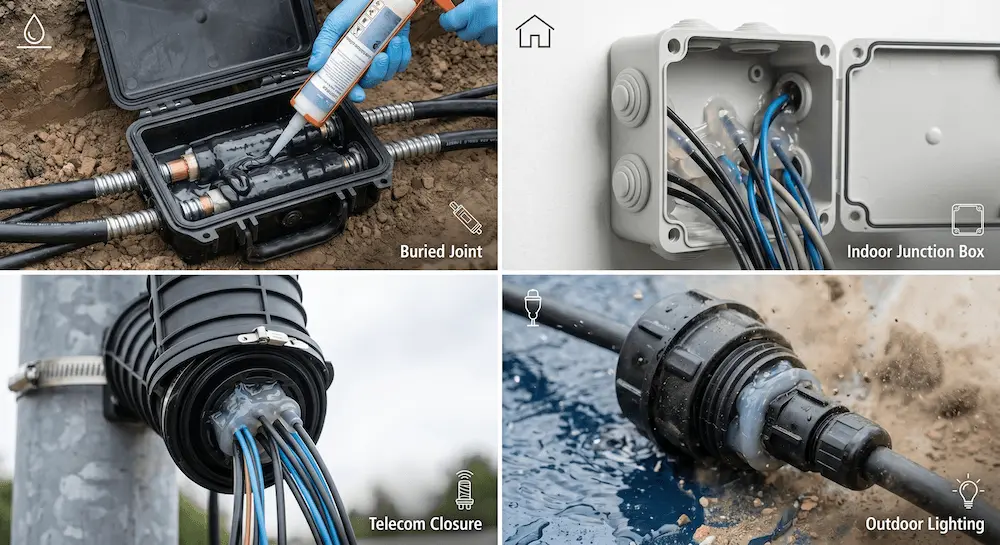
Where Soft Silicone Gel Is Used in Cable Accessories
Soft silicone gel or soft silicone sealing compound can be used in many cable-related sealing and insulation applications.
| 애플리케이션 | Main Sealing Requirement |
| Telecom cable closure entry port | Soft compression sealing around cable entry |
| Fiber optic splice closure | Moisture protection and cable movement tolerance |
| Cable joint box | 전기 절연 및 방수 밀봉 |
| Junction box | Gel filling, easy installation and re-entry |
| Low-voltage cable accessories | Insulation and flexible sealing |
| Outdoor lighting connection | Moisture resistance and simple field installation |
| Electrical connector protection | Flexible sealing around wires and terminals |
| Underground cable accessories | Long-term moisture resistance and sealing stability |
Different structures require different gel behavior.
A gel used for a junction box may not be the same as a gel used for telecom cable closure entry port sealing.
7 Checks Before Testing Soft Silicone Gel for Cable Closure Sealing
1. Cable Accessory Type
The first question is not “How soft is the gel?” The first question should be: Where will the gel be used?
Different cable accessories create different sealing conditions.
A cable joint box may need gel filling and re-enterable insulation.
A telecom cable closure may need soft sealing around cable entry ports.
A junction box may need easy filling and repair-friendly protection.
An underground cable accessory may need long-term moisture resistance.
Before choosing a silicone gel, confirm the exact application:
- Telecom cable closure
- Fiber optic splice closure
- Cable joint box
- Junction box
- Cable entry port
- Electrical connector
- Outdoor lighting connection
- Low-voltage cable accessory
- Underground or buried cable sealing
The application type determines the required softness, flow, color, curing process and packaging.
2. Cable Diameter Range
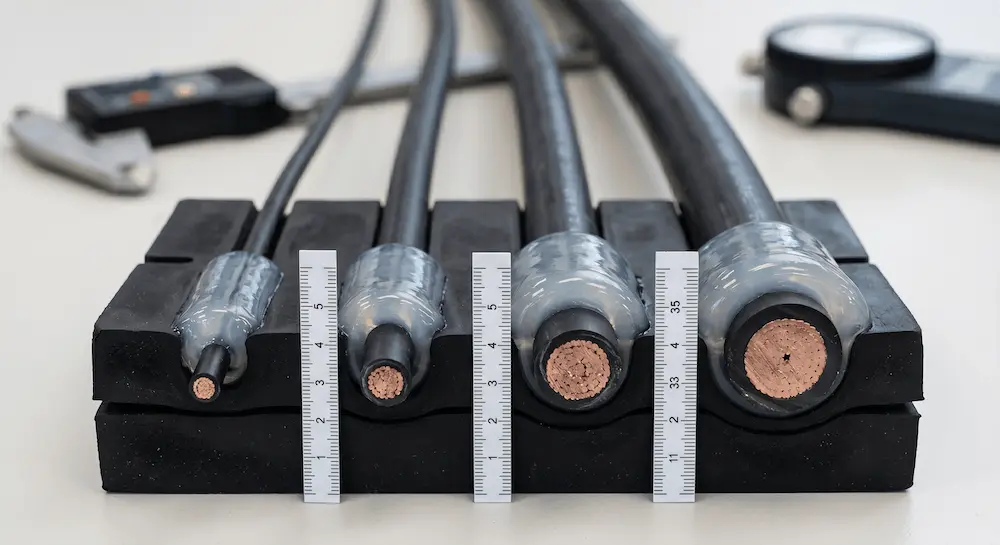
Cable diameter is one of the most important factors in cable closure sealing.
A soft silicone gel must match the cable diameter range. If the cable is too small, the gel may not create enough sealing contact. If the cable is too large, the gel may be squeezed out or fail to fill the sealing space properly.
Buyers should provide:
- Minimum cable diameter
- Maximum cable diameter
- Number of cables per entry port
- Cable jacket material
- Cable movement after installation
- Whether different cable sizes share the same closure design
For telecom closure entry ports, this information is especially important.
The gel must conform around the cable while maintaining enough sealing support.
Without cable diameter information, it is difficult to recommend the right softness and gel behavior.
3. Entry Port or Sealing Cavity Design
In many cable closure applications, the entry port is the most critical sealing point.
Even a good gel may fail if the entry port design does not allow stable gel contact around the cable.
Before testing, buyers should check:
- Is the entry port round, split, clamped or open?
- Is there enough cavity space for gel filling?
- Does the structure create compression around the cable?
- Can the gel remain in place after assembly?
- Is the gel exposed after installation?
- Is the sealing area horizontal, vertical or overhead?
- Will the closure be opened again for maintenance?
A soft silicone gel should be tested inside the real sealing structure, not only in a cup or simple mold.
For cable closure manufacturers, sending a drawing or photo of the entry port can help the supplier recommend a more suitable material direction.
4. Softness and Compression Recovery
Softness matters, but the gel should not only be soft.
For cable sealing, the material should be soft enough to conform around the cable and irregular gaps, but stable enough to keep sealing support after assembly.
Buyers should consider:
- Gel-like softness or soft elastic sealing compound
- Shore 00 or Shore A direction
- Compression around cable entry
- Recovery after pressure
- Cable movement tolerance
- Long-term sealing stability
- Soft touch but not easy collapse
If the gel is too hard, it may not conform well around the cable.
If the gel is too soft, it may not provide enough sealing support in some closure structures.
For some telecom cable closure entry port applications, buyers may need a soft elastic sealing compound instead of an extremely fluid gel. The final choice depends on the cable size, closure design and sealing pressure.
5. Waterproof Environment and Installation Condition
Waterproof performance does not depend only on the silicone gel.
It depends on the gel, cable accessory structure and installation environment together.
Buyers should confirm where the product will be used:
- Indoor
- Outdoor
- Underground
- Buried
- Aerial
- Wet environment
- Temporary submerged condition
- Long-term humid environment
They should also consider installation conditions:
- Factory assembly
- Field installation
- Manual filling
- Pre-filled closure
- Repair after installation
- Different cable sizes in one product family
A gel that works well in a controlled factory test may behave differently in field installation.
For outdoor or underground use, the gel should be tested under realistic sealing and moisture conditions.
6. Re-Enterability and Repair Requirement
One important reason buyers choose soft silicone gel is re-enterability.
Unlike rigid potting materials, soft silicone gel can allow easier access, inspection or repair in some cable accessory designs.
Buyers should decide whether the application needs:
- Re-enterable sealing
- Removable gel
- Repair-friendly protection
- Easy inspection
- Self-healing behavior after minor movement
- Re-closing after maintenance
For telecom closures, junction boxes and some cable joint systems, re-entry can be a major advantage.
However, re-enterability should be balanced with sealing stability.
If the gel is too easy to move, it may not stay in the sealing area. If it bonds too strongly, maintenance may become difficult.
The right material should match the maintenance expectation of the final product.
7. Filling Method and Bulk Production Stability
The filling method can change the best gel choice.
A gel for factory pre-filled cable accessories may need different viscosity and curing behavior from a gel used for on-site pouring.
| Use Method | Main Requirement |
| Factory pre-filled closure | Stable filling, no leakage, assembly efficiency |
| On-site pouring | Easy mixing, suitable pot life, good flow |
| Cartridge or kit supply | Convenient handling and controlled curing |
| Bulk production | Stable softness, color, curing and packaging |
| Automatic dispensing | Controlled viscosity and repeatable processing |
For manufacturers, a successful sample is only the first step.
The material should also remain stable in repeated production.
Buyers should check:
- Batch-to-batch softness consistency
- Color consistency, especially for black gel
- Stable curing behavior
- Stable filling performance
- Packaging suitable for production
- Reliable bulk supply
- Technical support during testing
This is especially important for cable accessory suppliers, telecom closure manufacturers and private-label products.
Common Failure Points in Cable Gel Sealing
Wrong silicone gel selection or poor structure matching can cause sealing problems.
| Failure Point | Possible Cause |
| Water ingress at entry port | Gel does not match cable diameter or sealing structure |
| Gel flows out of cavity | Viscosity or gel retention is not suitable |
| Poor contact around cable | Gel is too hard or structure has insufficient compression |
| Incomplete filling | Gel is too viscous or cavity design is too narrow |
| Difficult re-entry | Gel bonds too strongly or is not repair-friendly |
| Weak sealing support | Gel is too soft for the structure |
| Unstable production | Pot life, curing time or batch quality is inconsistent |
| Appearance inconsistency | Color or curing behavior is not stable in bulk production |
For cable accessory manufacturers, these problems can lead to failed testing, installation complaints, production waste or delayed delivery.
That is why soft silicone gel should be selected according to real cable accessory structure, not only by price or softness.
What Buyers Should Send Before Sample Recommendation
To recommend a suitable soft silicone gel for cable closure sealing, the supplier needs application details.
Please prepare the following information:
- Cable accessory type
- Application: cable closure, joint box, junction box, entry port or connector
- Cable diameter range
- Number of cables per sealing point
- Entry port or sealing cavity structure
- Indoor, outdoor, underground or submerged use
- Target softness or hardness
- Required color: black, transparent or customized
- Factory pre-filled or on-site pouring
- Manual filling or automatic dispensing
- Preferred pot life and curing time
- Waterproof sealing requirement
- Electrical insulation requirement, if any
- Re-enterability or repair requirement
- Estimated monthly or annual quantity
- Current material problem, if any
For example, “we need soft silicone gel” is not enough for accurate recommendation.
A gel used for a junction box may be different from a gel used for telecom cable closure entry port sealing. A gel used for field installation may be different from a gel used in factory pre-filled cable accessories.
The more structure and application details you provide, the easier it is to recommend a suitable gel for testing.
How Topsil Silicone Can Help
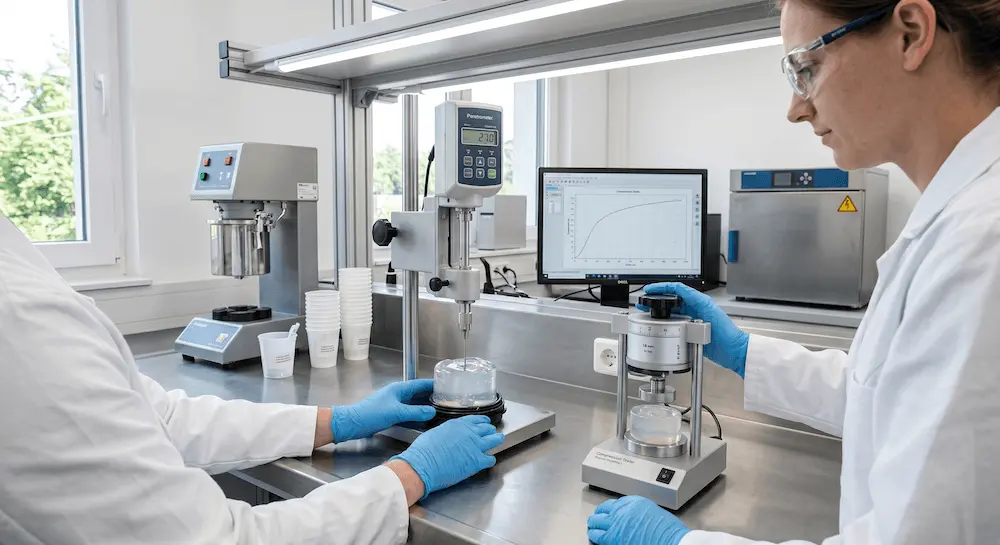
Topsil Silicone provides RTV-2 soft silicone gel and soft silicone sealing compounds for cable accessories, telecom closures and electrical insulation applications.
For cable closure sealing projects, we can help match softness, viscosity, color, pot life and curing time according to your cable diameter range, entry port structure and production process.
For closure manufacturers and cable accessory suppliers, we recommend testing the gel inside the real product structure before bulk production.
The goal is not only to send a sample.
The goal is to recommend a suitable silicone gel for your actual cable sealing design.
Need Soft Silicone Gel for Cable Closure or Cable Accessories?
Send us your cable accessory details and request a suitable silicone gel recommendation.
Please include:
- Cable accessory type
- Cable diameter range
- Entry port or sealing structure
- Indoor / outdoor / underground use
- Target softness or hardness
- Required color
- Pot life and curing time
- Filling method
- Waterproof or insulation requirement
- Estimated quantity
Request TDS, sample and technical recommendation for your cable closure sealing project.