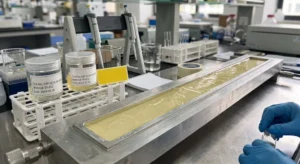
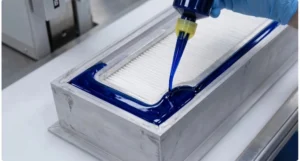
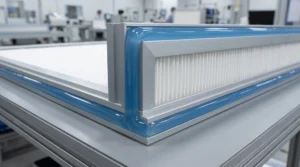
RTV-2 Silicone for Rapid Prototyping

Prototype molds need more than fast curing. If your main problem is dimensional variation, short mold life, or uncertain cure on 3D printed masters, start by matching silicone to your part geometry, master type, and production rhythm.
silicona de impresión rápida

Choose by Prototype Goal, Not by Generic Mold Silicone Claims

For rapid prototyping, the right silicone is not the one that simply cures fast. It is the one that supports the real goal of the mold — surface validation, dimensional repeatability, short-run casting, or practical compatibility with the master pattern.
Utiliza esta lógica rápida antes de elegir un grado:

Appearance model/surface validation

Start with surface transfer + dimensional consistency

Short-run functional prototype

Start with mold life + repeatability

Large or slow-pour prototype mold

Start with usable working time

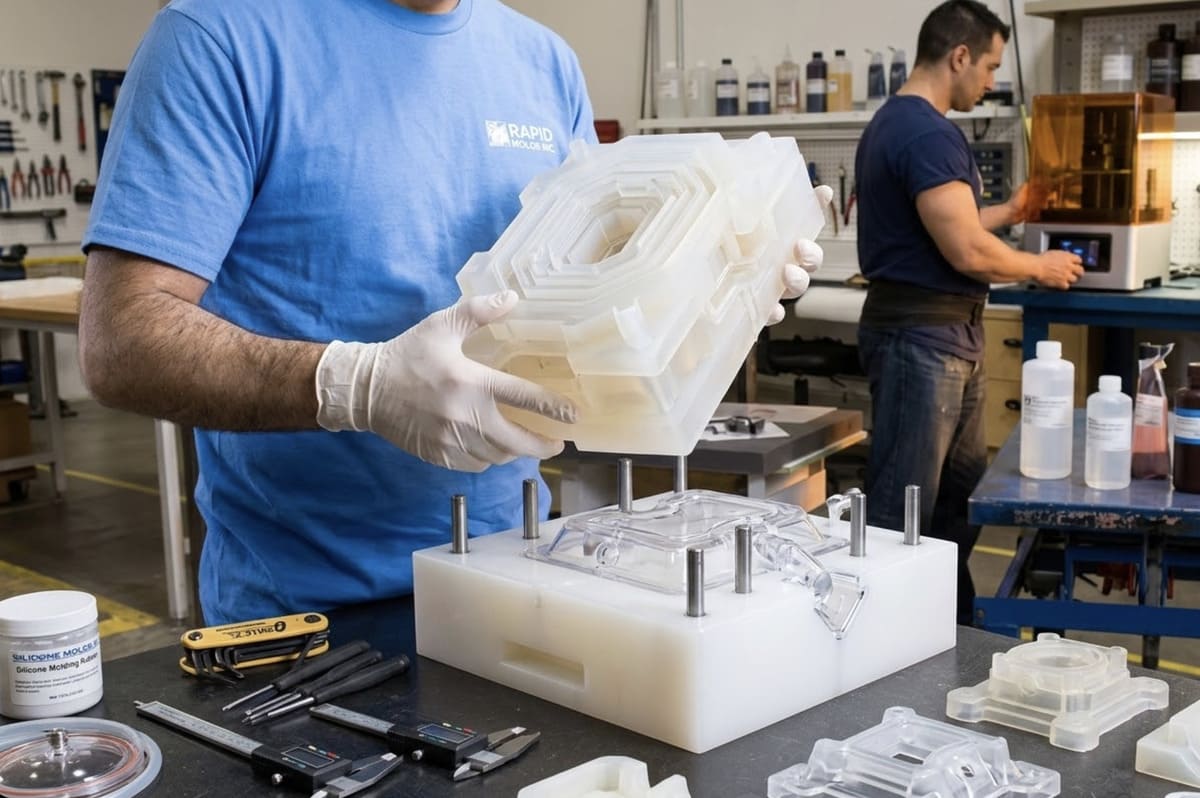
3D printed master pattern

Start with compatibility + test cure discipline

What Prototype Buyers Should Prioritize?

Dimensional Consistency

A prototype mold is not useful if the part changes too much across repeated casts. Stable mold behavior matters more than fast curing alone.

Usable Working Time

Fast demolding is attractive, but if the silicone becomes hard to pour before the mold is filled properly, the process still fails. Working time should fit the real mold size and process.

Vida del moho

Even short-run prototype molds should survive repeated casting without early tearing, surface loss, or unstable results.

Why Prototype Molds Commonly Go Wrong?

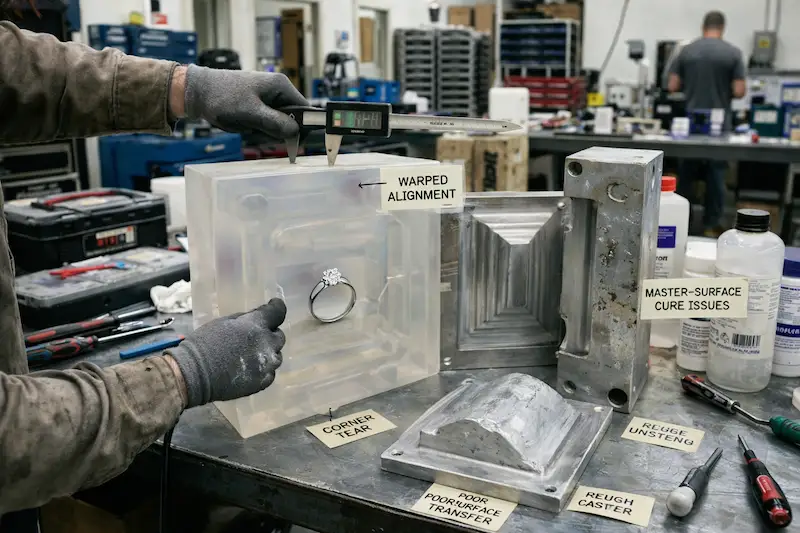
Most prototype mold problems show up in one of these ways:
In many prototype projects, the problem is not “bad silicone” in general. The real issue is often grade mismatch — the silicone may cure, but it does not match the master type, process window, or repeatability goal of the project.

01

Dimensional Variation

The first cast looks acceptable, but repeat casts become less reliable.

02

Early Mold Tearing

The mold works for a few cycles, then weak zones begin to fail.

03

Poor Surface Transfer

The mold captures the shape, but not the surface finish or fine detail required for evaluation.

04

Unexpected Cure Issues on Printed Masters

The silicone cures in the cup, but not cleanly on the model surface.

Un error común en el mundo real

A prototype mold that demolds quickly is not always the right mold. In many rapid prototyping projects, the real problem is not slow cure — it is poor repeatability, unstable dimensions, or a grade that does not fit the master surface and process window.
That is why prototype silicone should be matched to part geometry + master type + target cycle rhythm, not chosen by “fast cure” alone.

Una forma mejor de elegir el grado

Before choosing a prototype silicone grade, answer these four questions:
If your project is detail-sensitive, surface transfer matters more. If your project is repeat-use, mold life matters more. If your project is large or slow to process, working time matters more. If your master is 3D printed, compatibility and test cure matter more.
Prototype silicone should be matched to the validation goal, not just chosen as a fast-curing general mold material.

Aplicaciones típicas

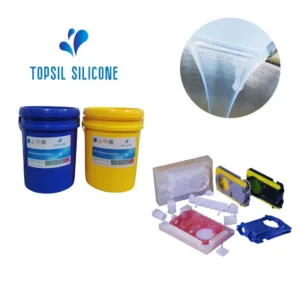
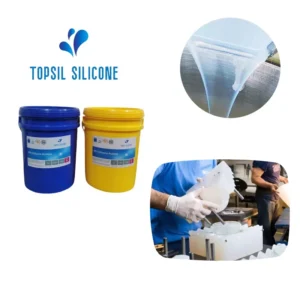
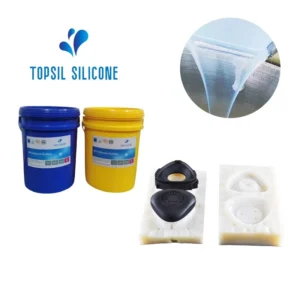
Vacuum casting molds
Appearance model duplication
Short-run functional prototype molds
Product development validation molds
Small-batch pre-production molds
Prototype molds from traditional or 3D printed masters

Need a Better Silicone Grade for Rapid Prototyping or Vacuum Casting?

Send us your part size, master type, target working time, and expected casting frequency. We’ll help you narrow down a more suitable RTV-2 silicone starting point.

Preguntas frecuentes

What silicone is best for rapid prototyping molds?

The best silicone depends on part geometry, master type, dimensional repeatability needs, and whether the mold is used once or across repeated short runs.

Should I choose the fastest-curing silicone for prototype molds?

Not always. In many cases, practical working time matters more than simply having the fastest demold time.

Why do prototype molds sometimes lose consistency over repeated casts?

This often happens when the silicone grade does not match the mold design, process rhythm, or performance target of the prototype job.

Do 3D printed masters need special attention?

Yes. Printed masters should be reviewed carefully for compatibility, and test cure is recommended before full mold production.

Can you recommend a grade for vacuum casting or short-run prototype molds?

Yes. Share your part size, master type, production plan, and target cycle needs for a more practical recommendation.

Topsil suministra caucho de silicona RTV-2 de alto rendimiento. Desde el platino hasta la silicona de curado con estaño, ayudamos a los clientes a elegir el material adecuado. 

Topsilsilicone TODOS LOS DERECHOS RESERVADOS 2025
es_ES

Póngase en contacto con nosotros hoy mismo, recibirá una respuesta en 24 horas.

Sus datos serán estrictamente confidenciales.

Este es Evan, el Gerente de Topsil Silicone. Le felicitamos por haber encontrado un proveedor profesional. Pls enviar su consulta, nos pondremos en contacto con usted dentro de 24 horas.

Goma Topsil Silicone Libro electrónico

Si aún desea saber más sobre nuestros productos, podemos enviarle un catálogo electrónico detallado.